

















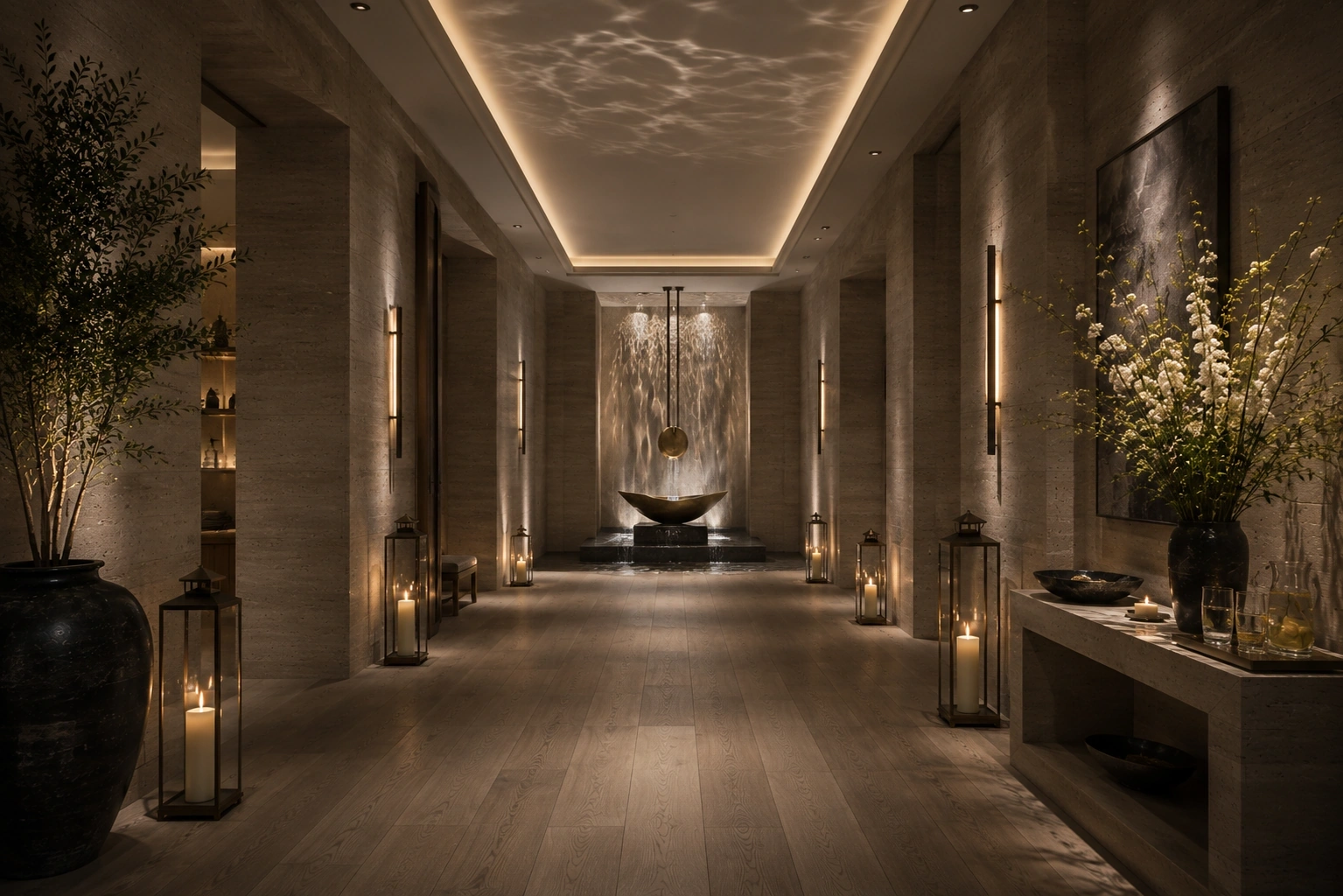
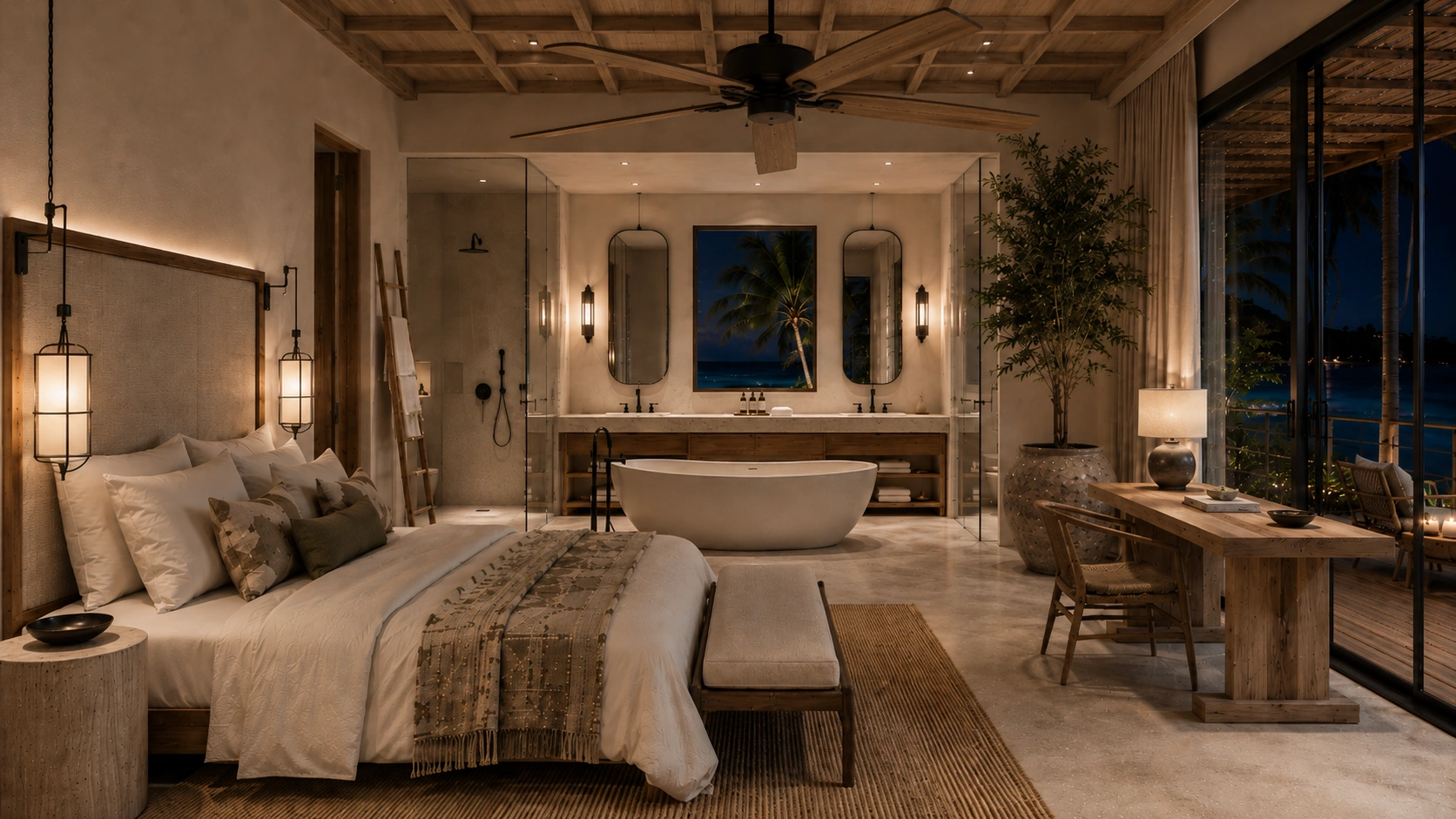
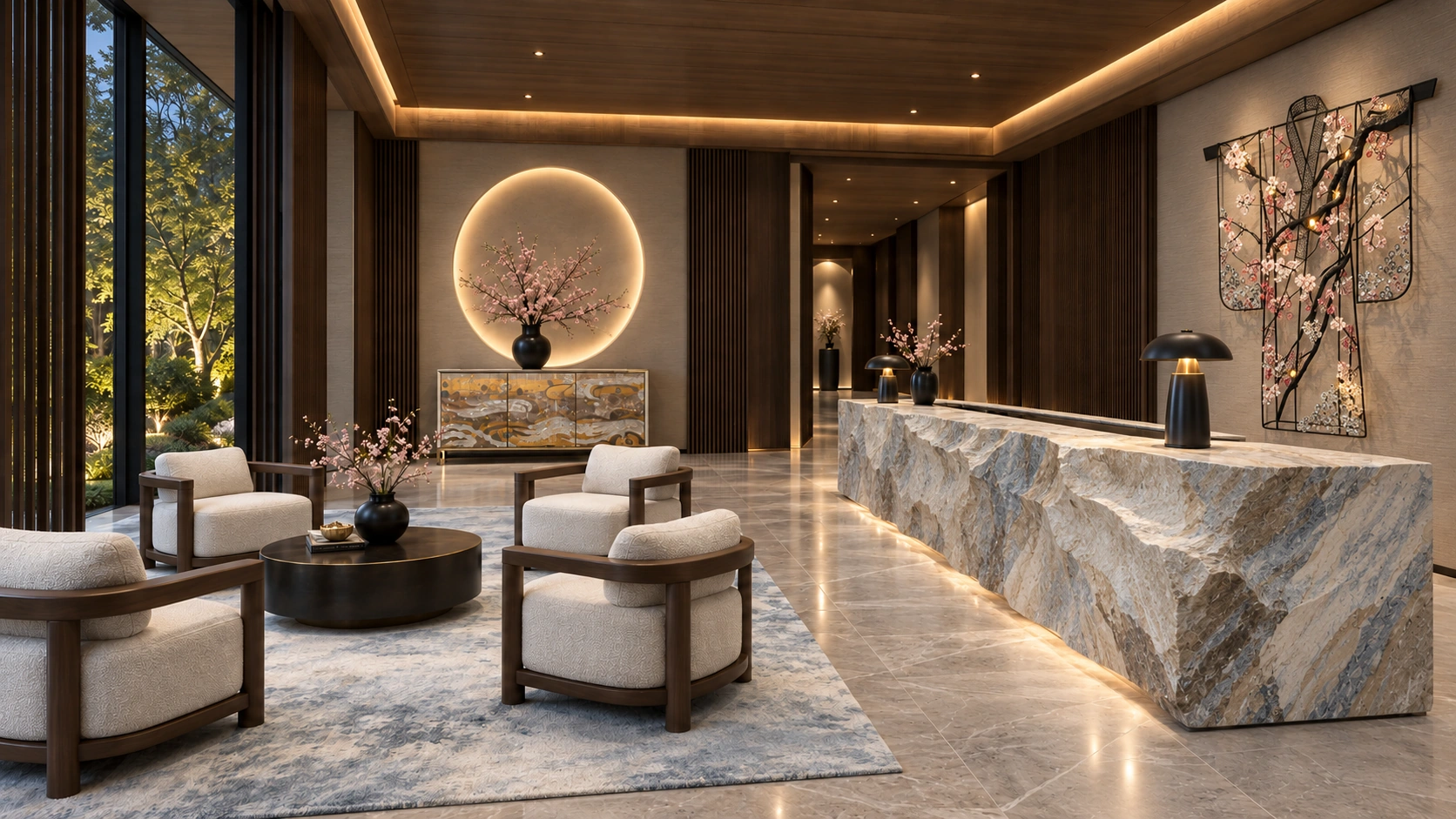
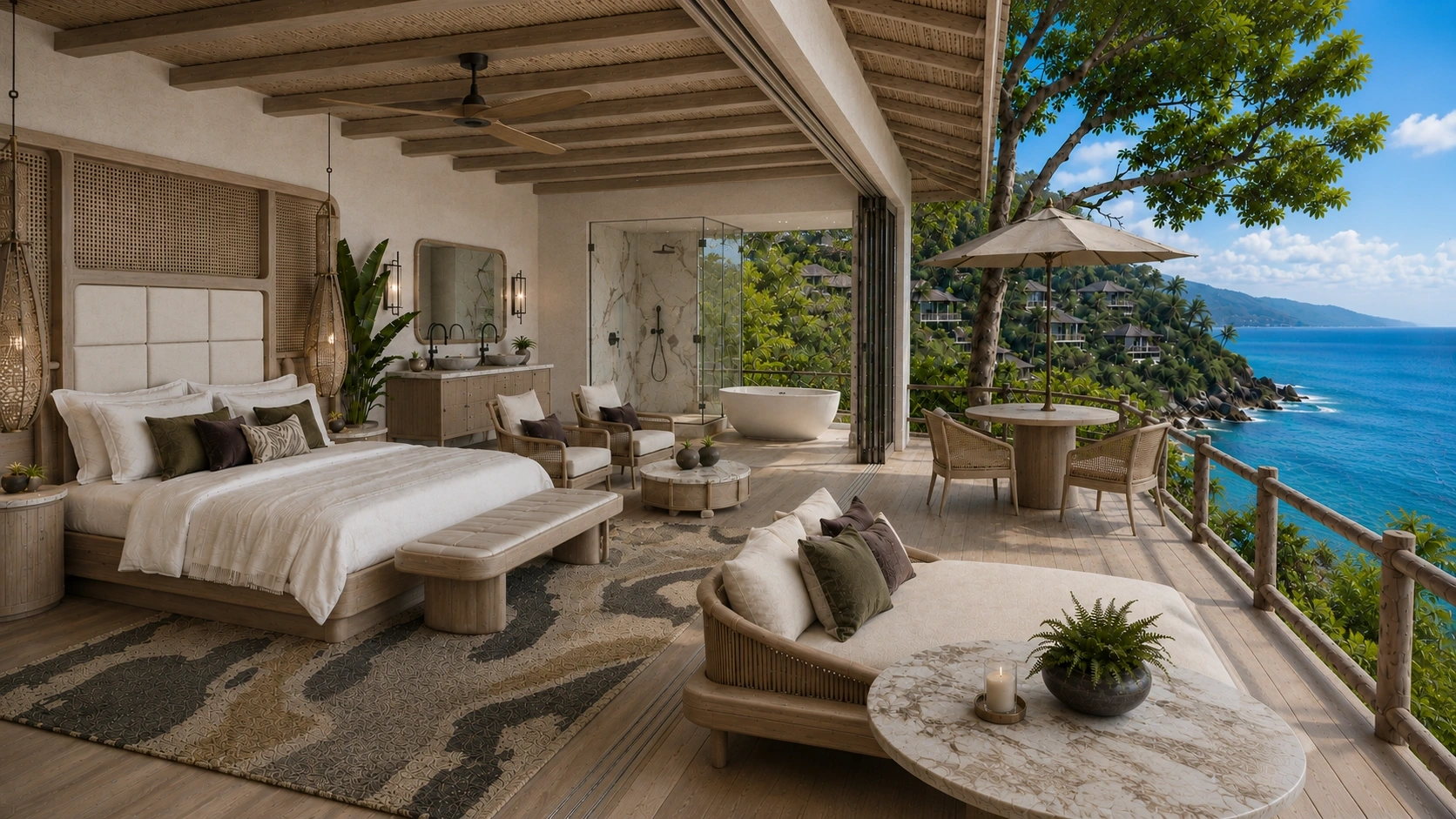
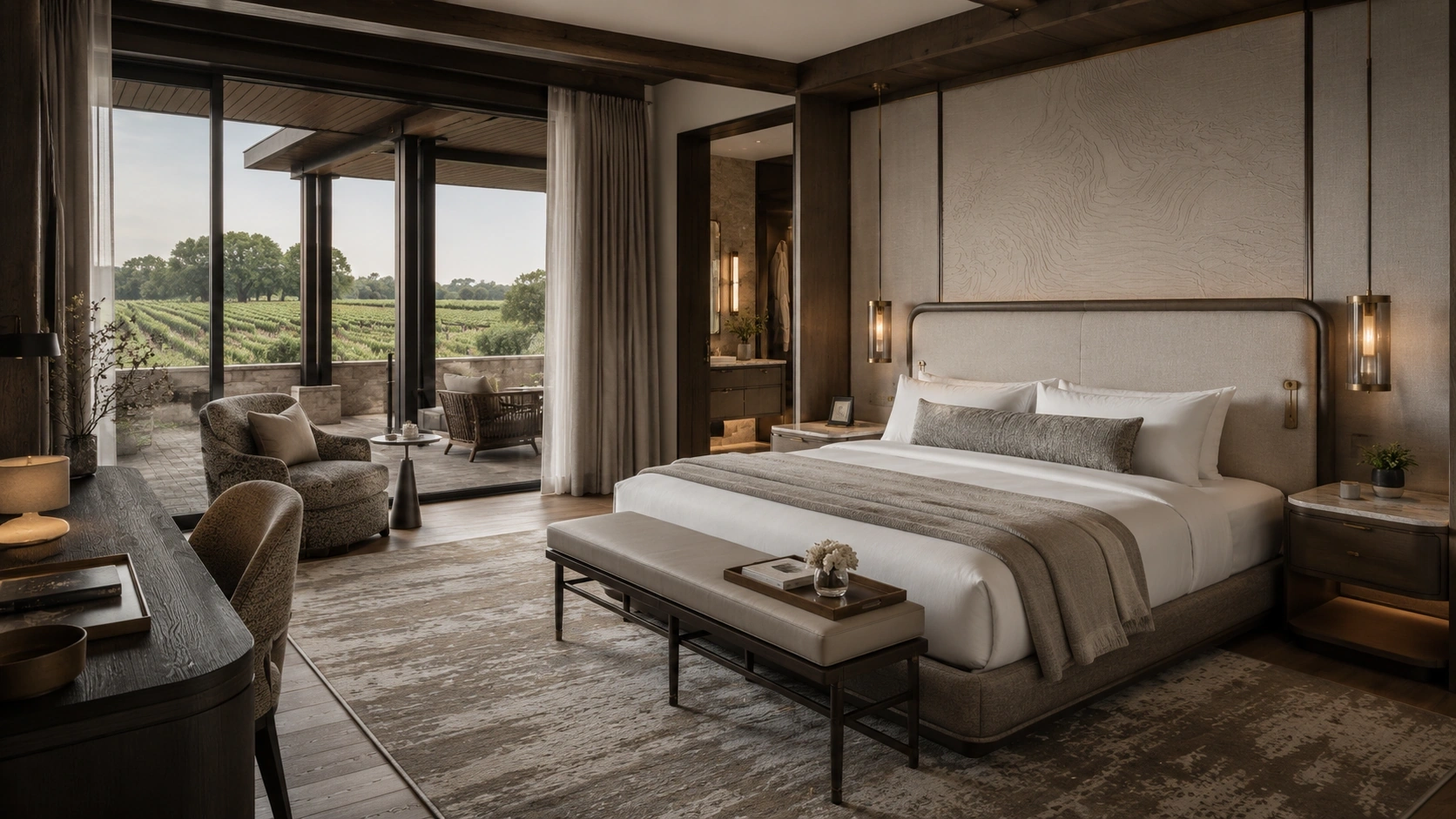
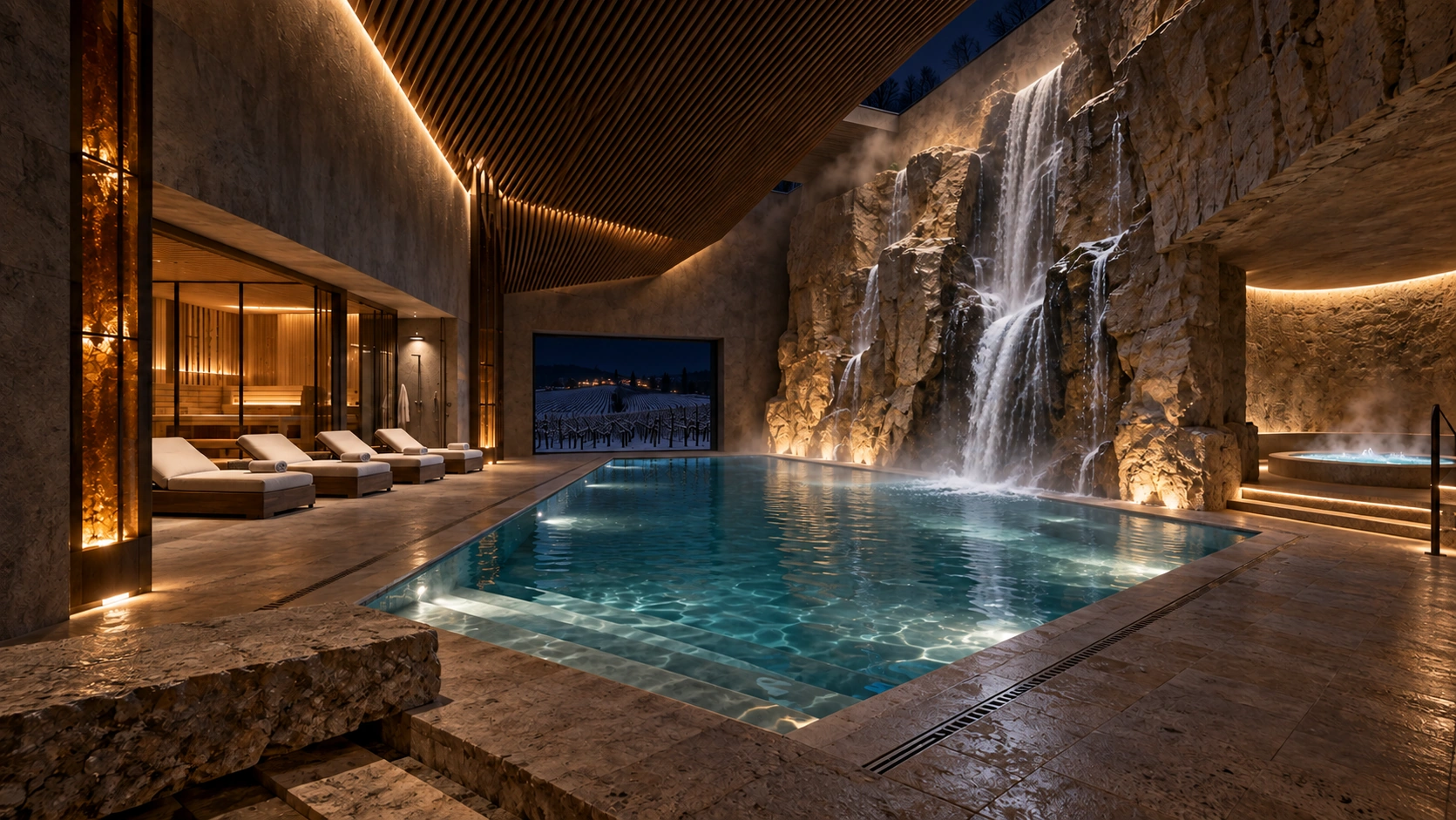
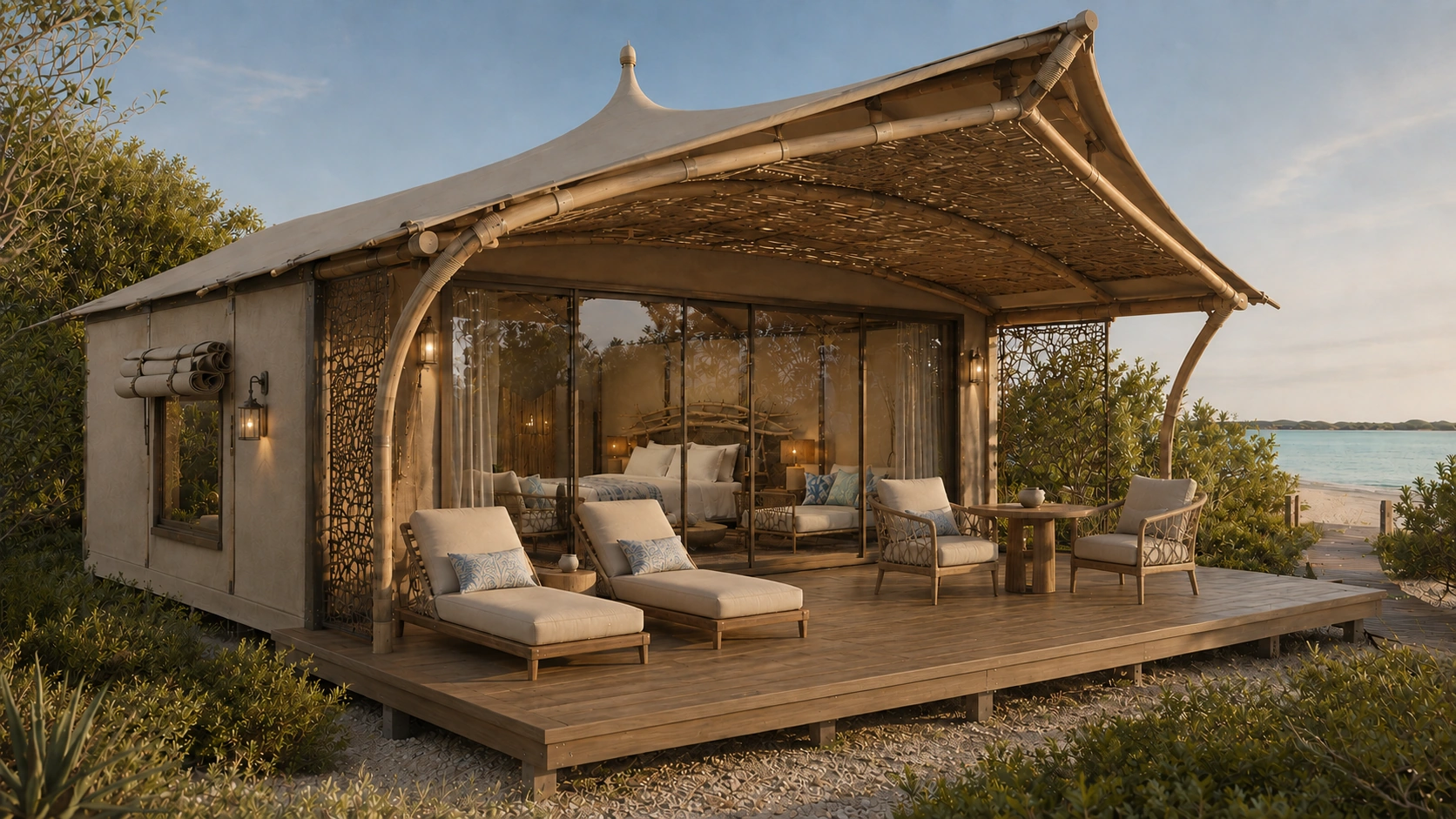
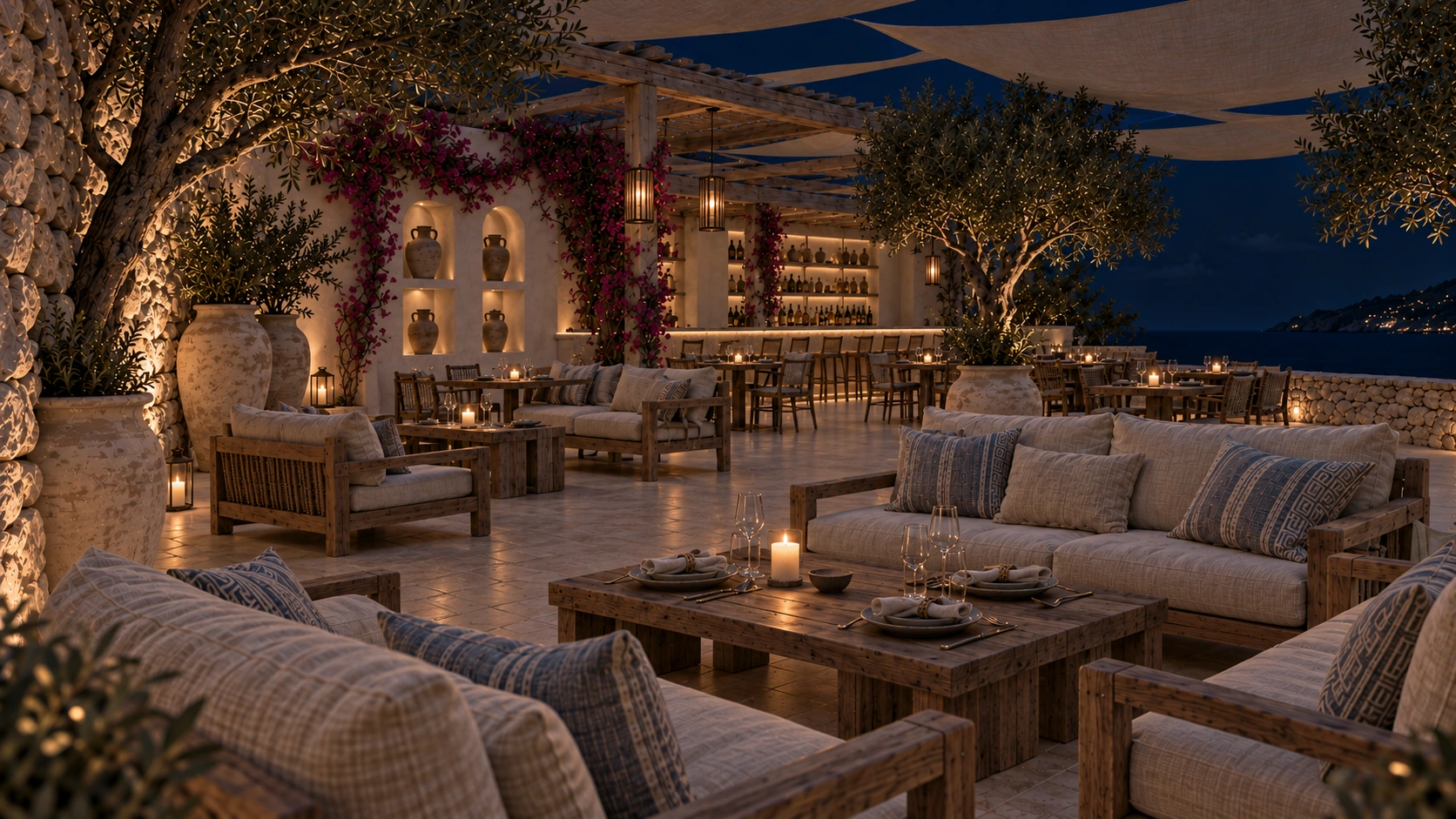
From crafting stories to unforgettable experience.
All-of-it.
Owner edit mode — right-click any outlined element to edit · click Save & Export when done
Story · strategy · success

We don't just 
design hotels.
We author 
how they feel.

Allovit is a hospitality design studio in the business of memory. 

For thirty-one years, we've been the quiet hand behind landmark hotels around the world.

Scroll — the story begins
The Allovit lens

Every project begins
where it ends — with
what a guest feels.

The page now moves the way a guest moves — sideways, through the hotel. Four chapters, one stay.

Walk with us
01
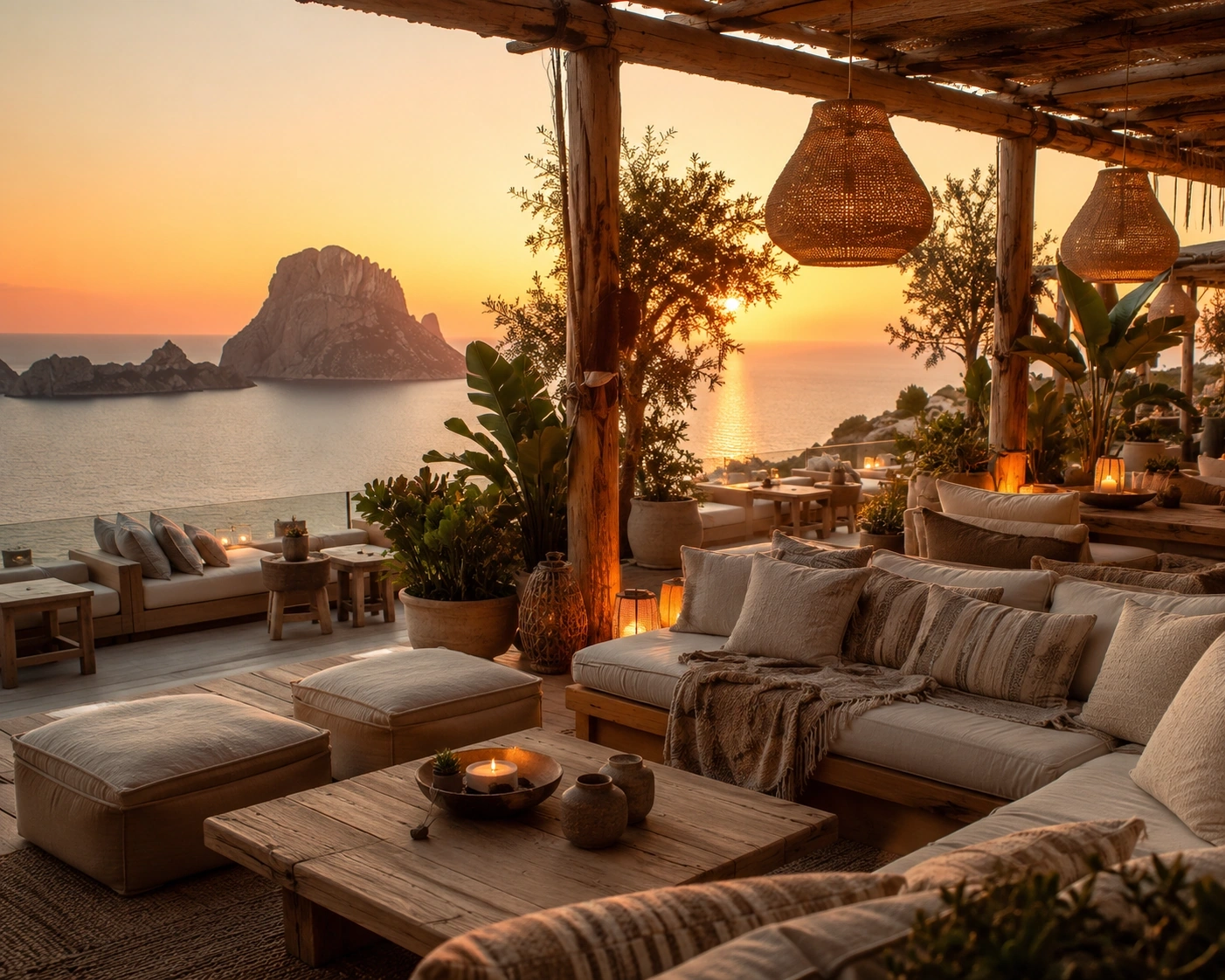
Chapter 01 — Arrival

The exhale.

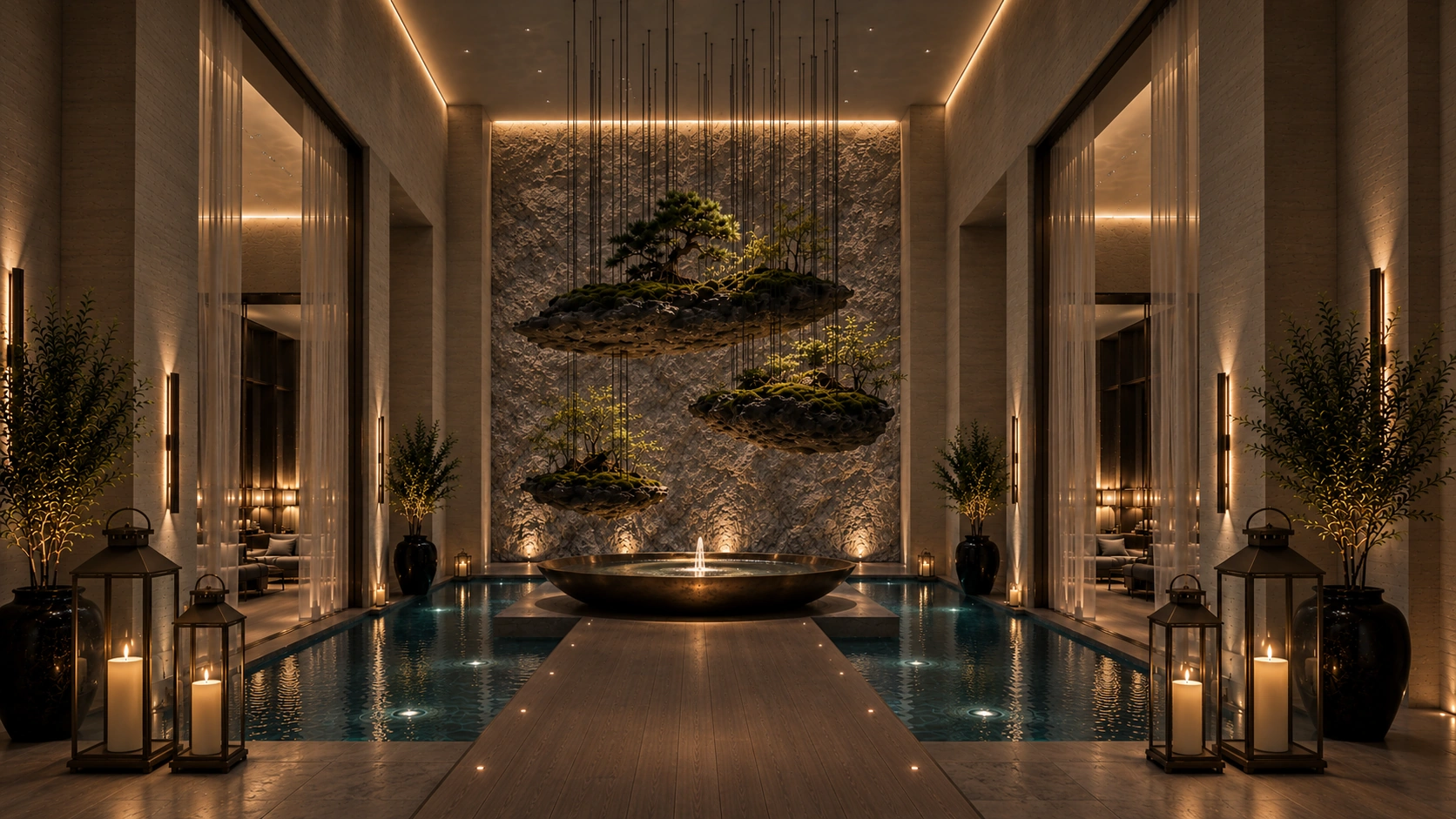
Before check-in, before the key — the moment the doors open and shoulders drop. Light, scent, sound, the first ten steps, all composed so a guest knows, before they can say why, that they've arrived somewhere that was waiting for them.

02
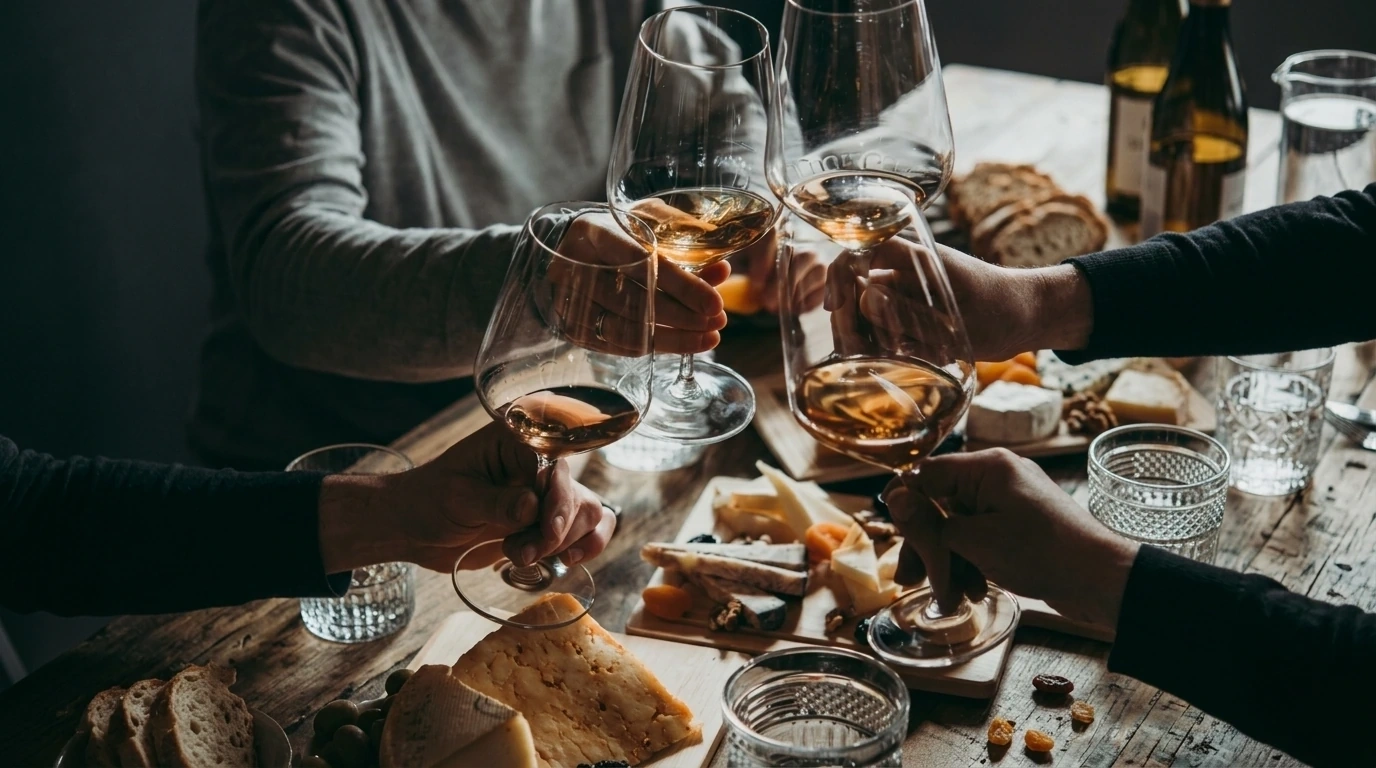
Chapter 02 — The Gathering

Belonging, engineered.

Most public spaces are designed to be walked through. We design them to be belonged to — the kind of place a guest never wants to leave, and keeps coming back to.

03
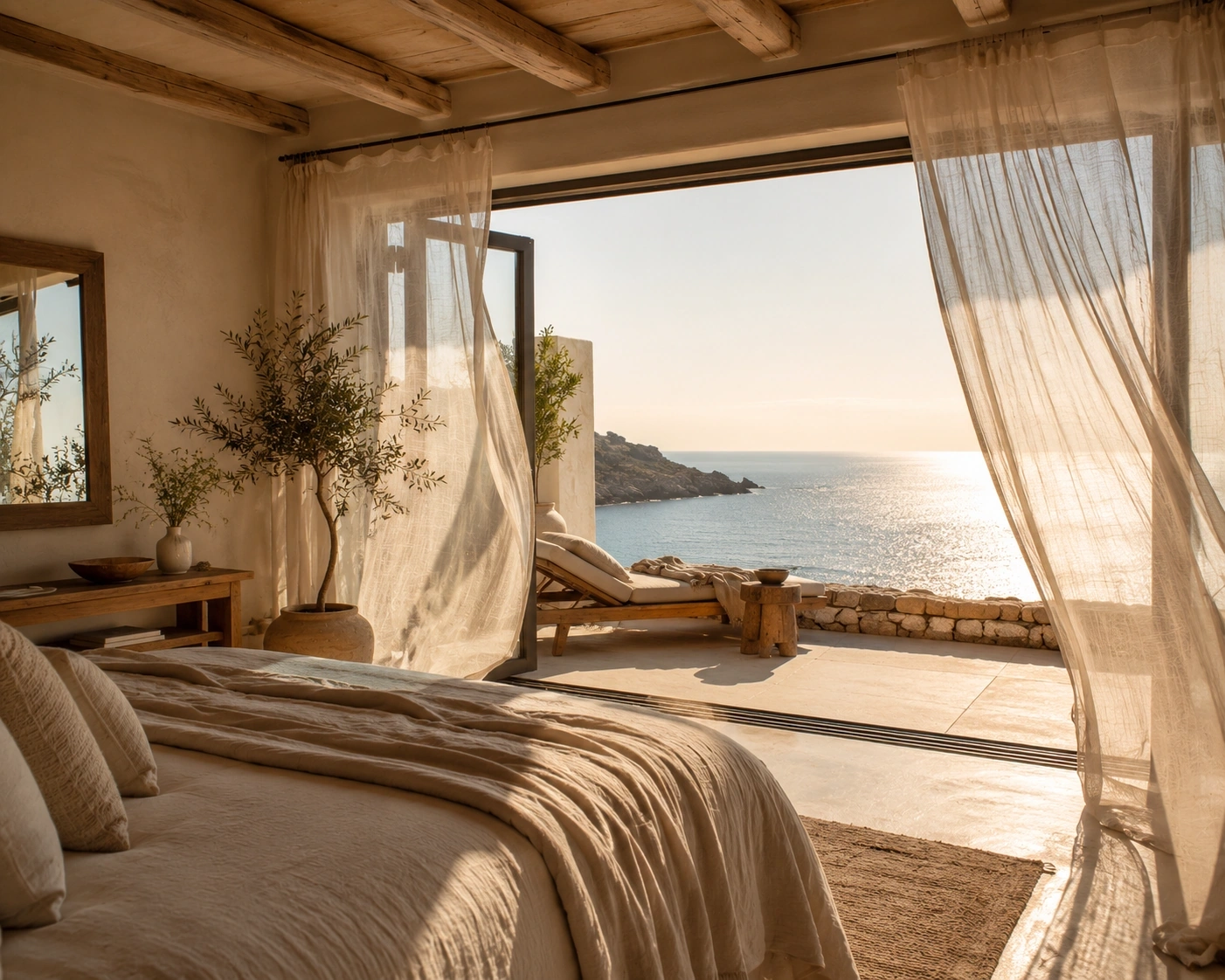
Chapter 03 — The Room

Rest, remembered.

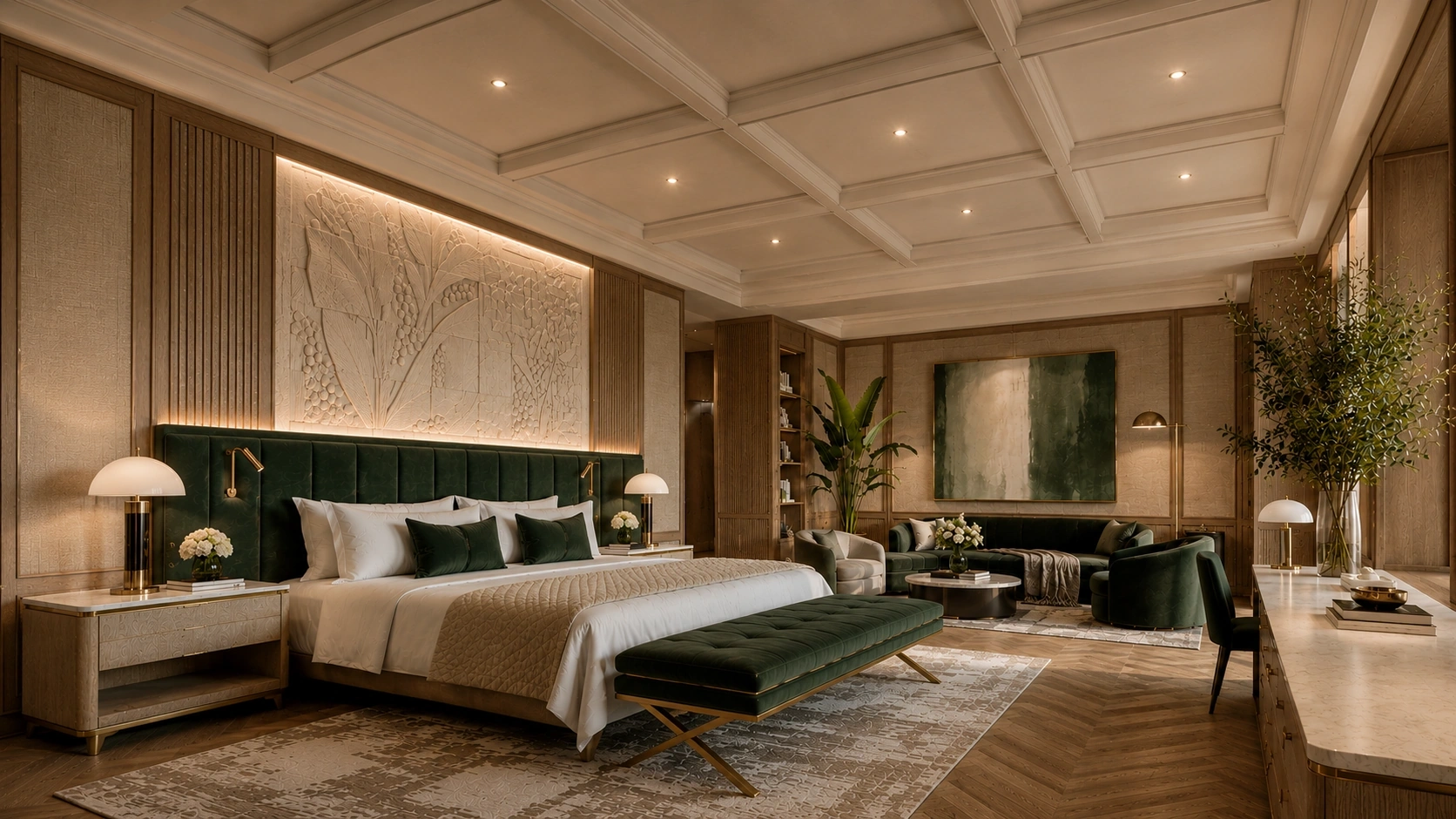
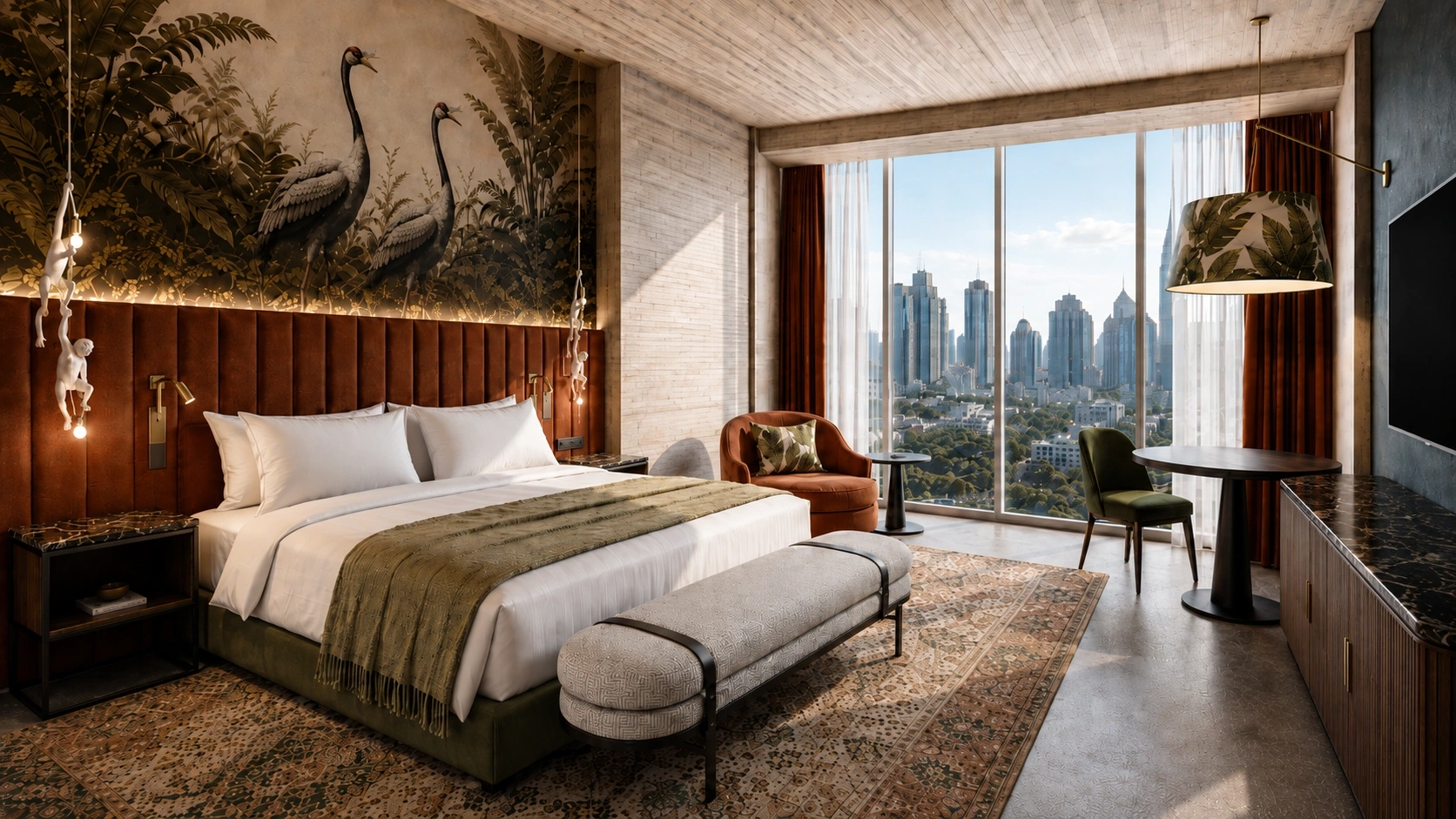
The guest room is the promise kept — the most intimate space in any hotel, the one a guest truly lives in and calls home for a few nights. The rest they find here stays with them long after checkout — a feeling they quietly long to take home.

04
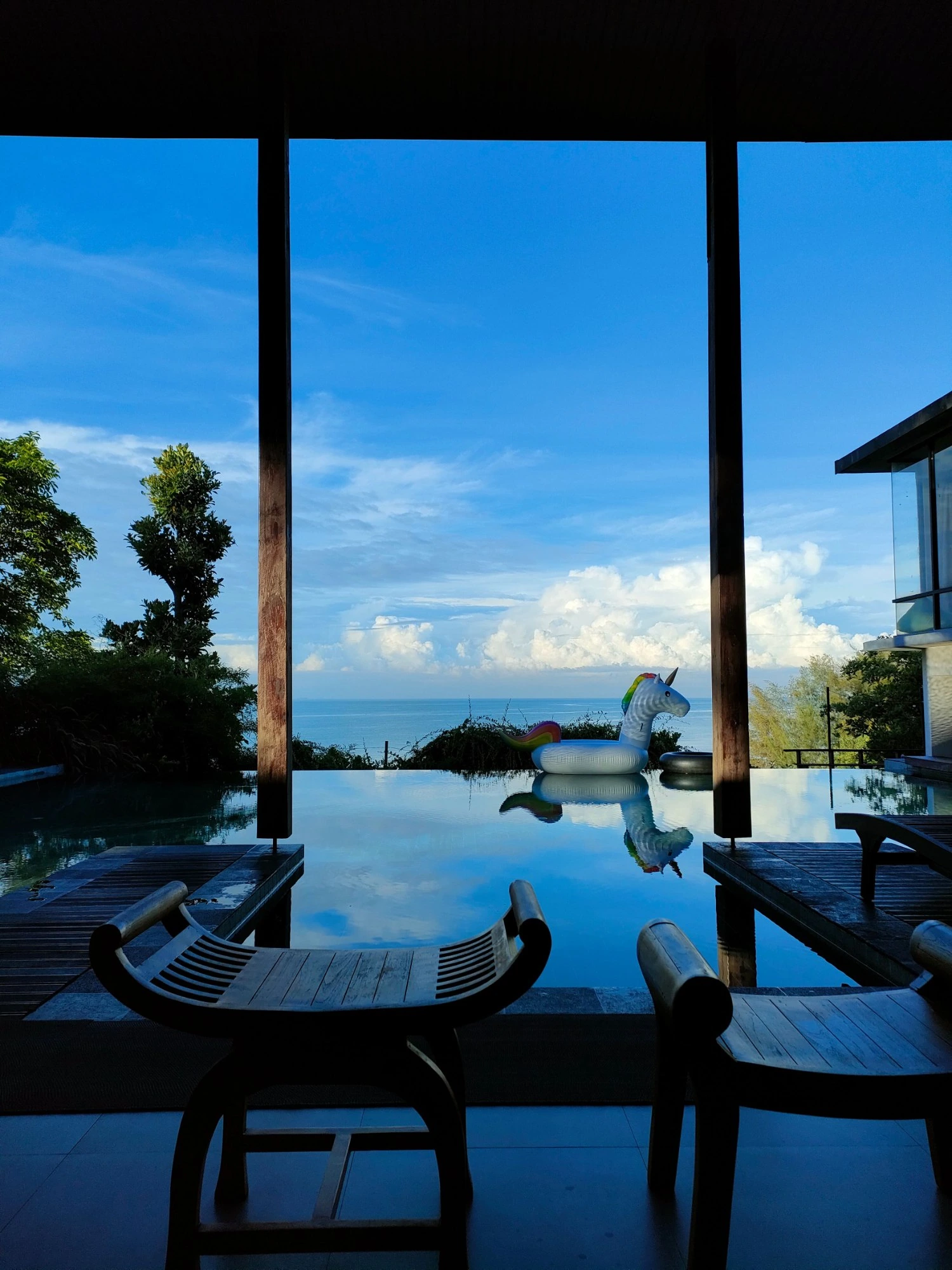
Chapter 04 — Departure

The story, shared.

Guests don't remember thread counts; they remember how a place made them feel. The best hotels leave with them — living on in a story they'll tell for years.

Chapter 05

Yours.

Yours will begin the way every great hotel does — as a feeling, long before it becomes a place.

Start your story →
Chapter 05 — Yours
04 / 04
One studio, 360° perspective

Every discipline a development requires —
from concept to completion.

Story, Strategy, Access, Design, Branding, Delivery.

— and Product, a discipline of its own.

All of it.

Delivered as one. That's the name.

Why they choose us

A designer's eye.
An owner's mind.

We design with a designer's eye and think with an owner's mind — because we have sat in both chairs. Every decision answers to the guest who feels it and the owner who funds it. Beauty and the balance sheet, finally on the same side.

Story with purpose

Not decoration — the reason behind every decision that follows.

Beauty, defended

The design you approve is the design that opens — never cut for budget.

Numbers, from day one

Feasibility, positioning and returns, settled before the first drawing.

Beyond its class

A hotel that earns above its category, and opens sooner doing it.

Watch

Stories are everywhere. 
Watch us explore.

Every so often we turn the camera on ourselves - the factories we walk, the places we travel, the details we stop for. These are short films of us exploring, so you can see where a story comes from before it becomes a hotel.

Who we are

Great hotels don't happen by chance. 
They happen by design. 

Every developer knows the feeling: the idea that started it all, so clear at the beginning, quietly becomes something else along the way. A great hotel is one whose original vision survives that journey, authored and whole, carried with intention from the first idea to the final detail. Allovit protects that vision.

The studio

Fluent in All of it.

Allovit is a hospitality design and strategy studio, where design begins with storytelling and strategy for development. We have sat in every seat around a development table — as designer and developer, owner and brand, operator, contractor, project manager and investor — and created brands for some of the world's leading hotel groups, work that is impossible without understanding all of it at once. That full, 360-degree perspective is what lets us orchestrate a hotel's many moving parts into a single, coherent whole, where every motive is understood and every decision answers to the same vision.

Every property we author is designed for its own place, market, and ambition, and for that project alone. Our team comes from the world's most respected hospitality practices, with landmark properties across the globe and international awards behind them, and experience that runs the full arc, from the first idea to opening day.

Meet the team →
360°Perspective

Designer, developer, owner, brand, operator, contractor, project manager, investor — Eight seats at the table, all of them lived.

41+hotel brands

Experience across the world's leading names in luxury hospitality.

17+countries

Landmark projects delivered around the world - more to come.

27,695+keys

Guest rooms designed/delivered and counting.

The brands, projects and markets shown reflect the collective experience our founder and team bring to Allovit — earned across three decades with the world's leading firms and studios.

Our greatest challenge was never creativity. It was orchestration.

From Lost in Translation, the Allovit Manifesto

Read the manifesto →
What we do

Seven disciplines,
one author.

Every discipline a hotel needs, held by one vision — from the first story to the keys in your hand.

discover all of it
01

Story Making

We author a property's story before the first plan is drawn, so every decision that follows has a reason behind it.

02

Development Strategy

Feasibility, positioning and phasing shaped by decades on the ownership side, so ambition and viability are settled before design begins.

03

Operator & Brand Access

For owners without established relationships, introductions to the operators and brands whose ambitions genuinely match the project.

04

Interior Design

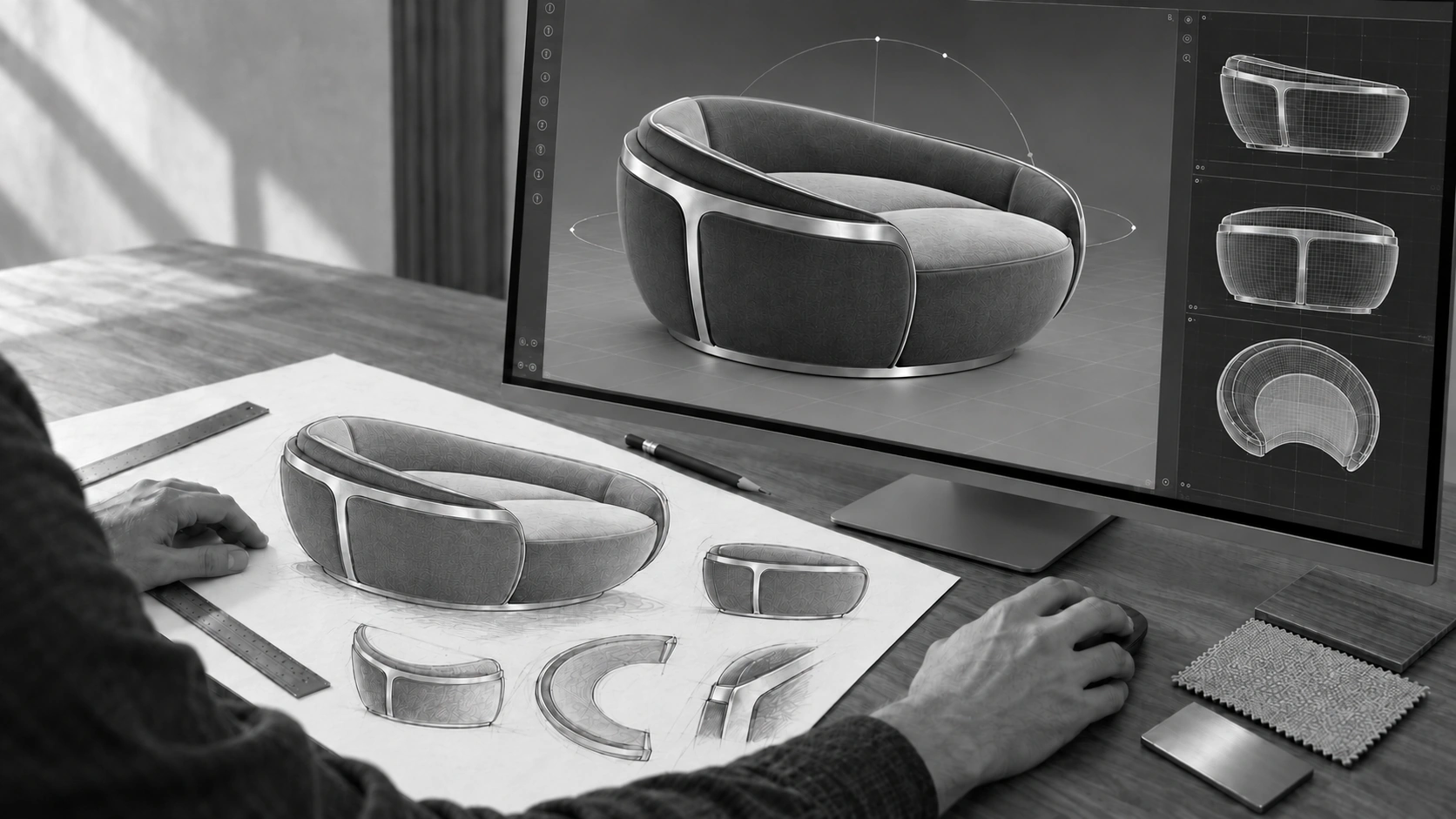
Hospitality interiors authored around how a place should feel and proven against how it must operate, including bespoke furniture and lighting drawn for the property itself.

05

Brand Experience

Identity, voice, uniforms, collateral, environmental graphics and the guest touchpoints that make a property unmistakable — and marketable long before it opens.

06

Realisation

What is drawn is what arrives. We stay with a project through making, delivery and installation, so the design that was approved is the one guests walk into.

07

Product Design & Retail

Objects, materials and collections designed for our properties and offered to the world.

this is where name comes from

All of it.

All of it
07 / 07

Where it travels

We give hotels more than their category promises — the story, design and soul of a luxury property, elevated to feel and perform far beyond its class.

The heartLuxury hotels
the addressbranded residences
the restorationwellness hotels & retreats
the next chaptersenior living
Urban, boutique and lifestyle hotels
the pulseurban | boutique | lifestyle hotels
the escapedestination hotels & resorts
the storyexperiential hotels 
the sanctuaryluxury villas
the gatheringprivate & social clubs | F&B

Where we are

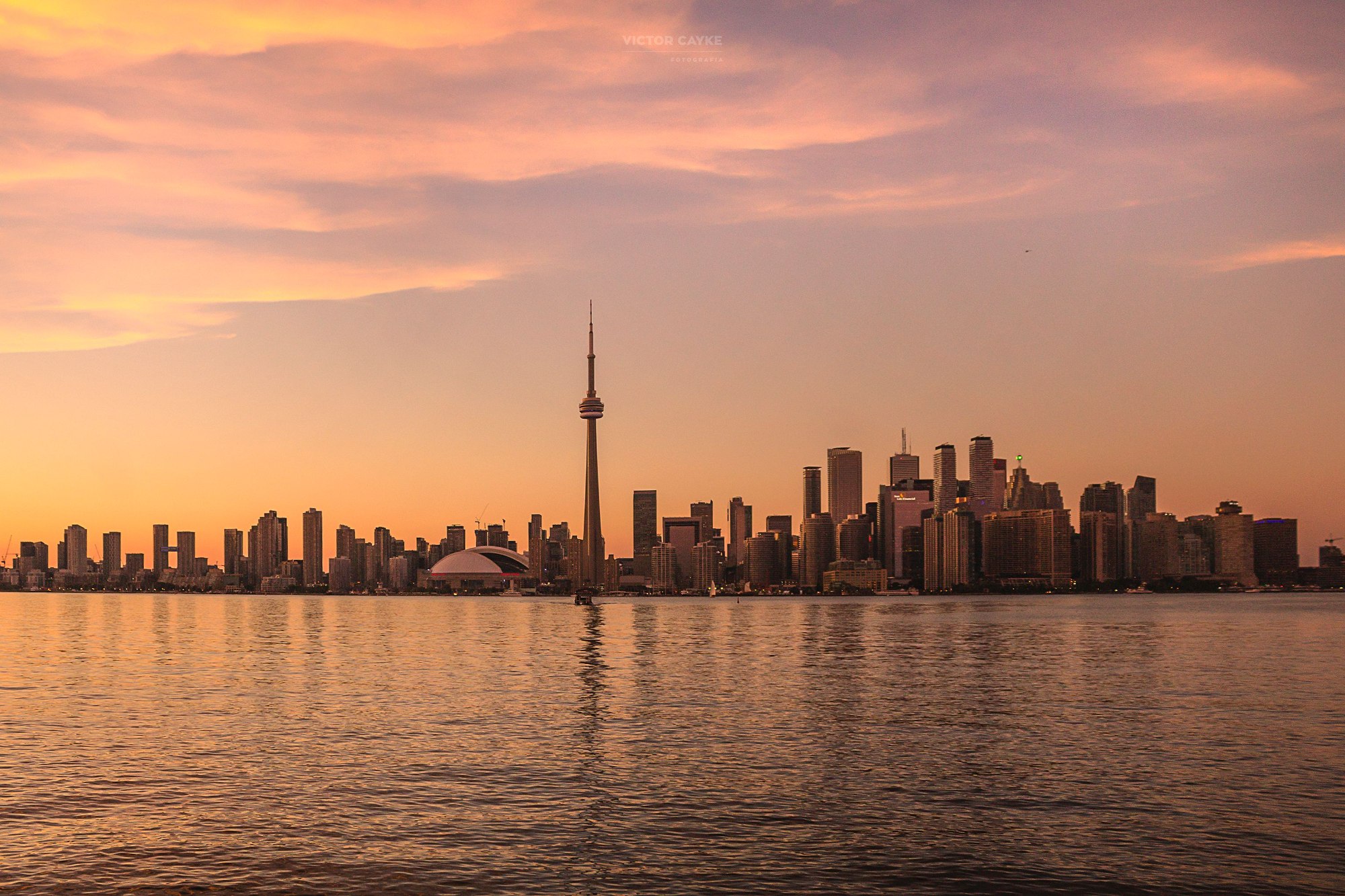
Toronto

for North America | Europe | Middle East | Africa

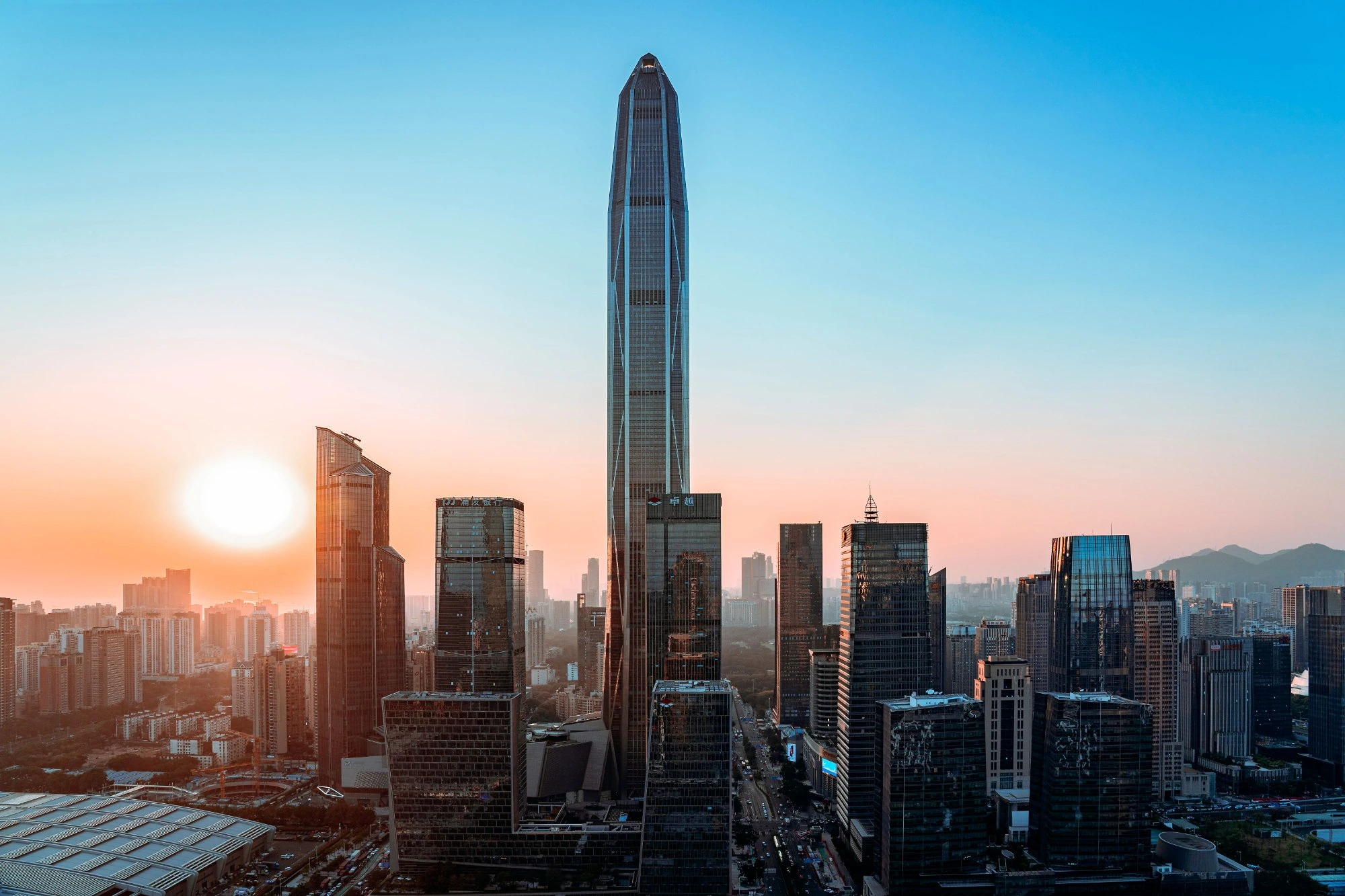
Shenzhen

for Asia-Pacific | Oceania | Australasia

Two studios, one global reach.

The people

Alumni of the world's most respected hospitality practices — designers, strategists and makers who have delivered landmark properties across five continents.

Meet the team →

The hotel they imagined is the hotel that opened.

Extraordinary destinations are never the result of isolated decisions. 

They are shaped by story, guided by strategy, and brought to life together.

Start a project →
The team

The people behind the work.

Allovit is a hospitality studio in Toronto and Shenzhen, and the people behind it come from the world’s leading hospitality firms — Yabu Pushelberg, HBA, Rockwell and others. Currently they’re heads-down on projects for our clients. Wherever in the world the next one sits, this team can take it on, and there’s always room for the right project and a good conversation. The full team will be introduced before long; in the meantime, we’d love to hear all about your project.

Start a conversation →
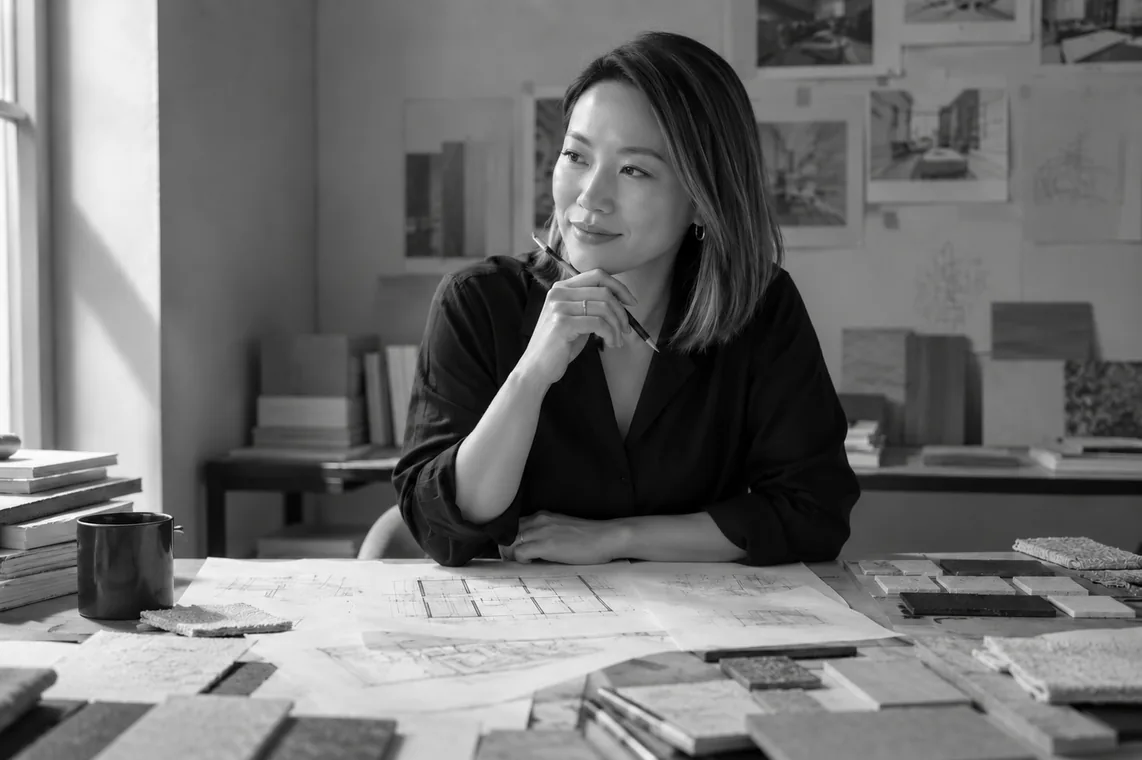
Studio at work
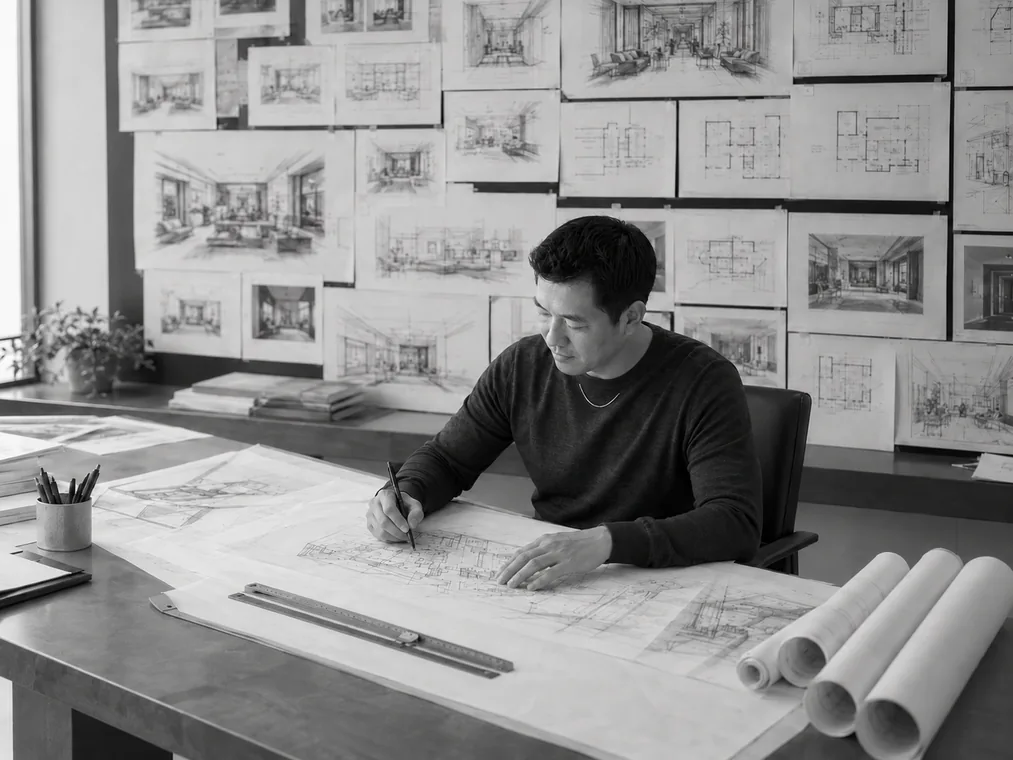
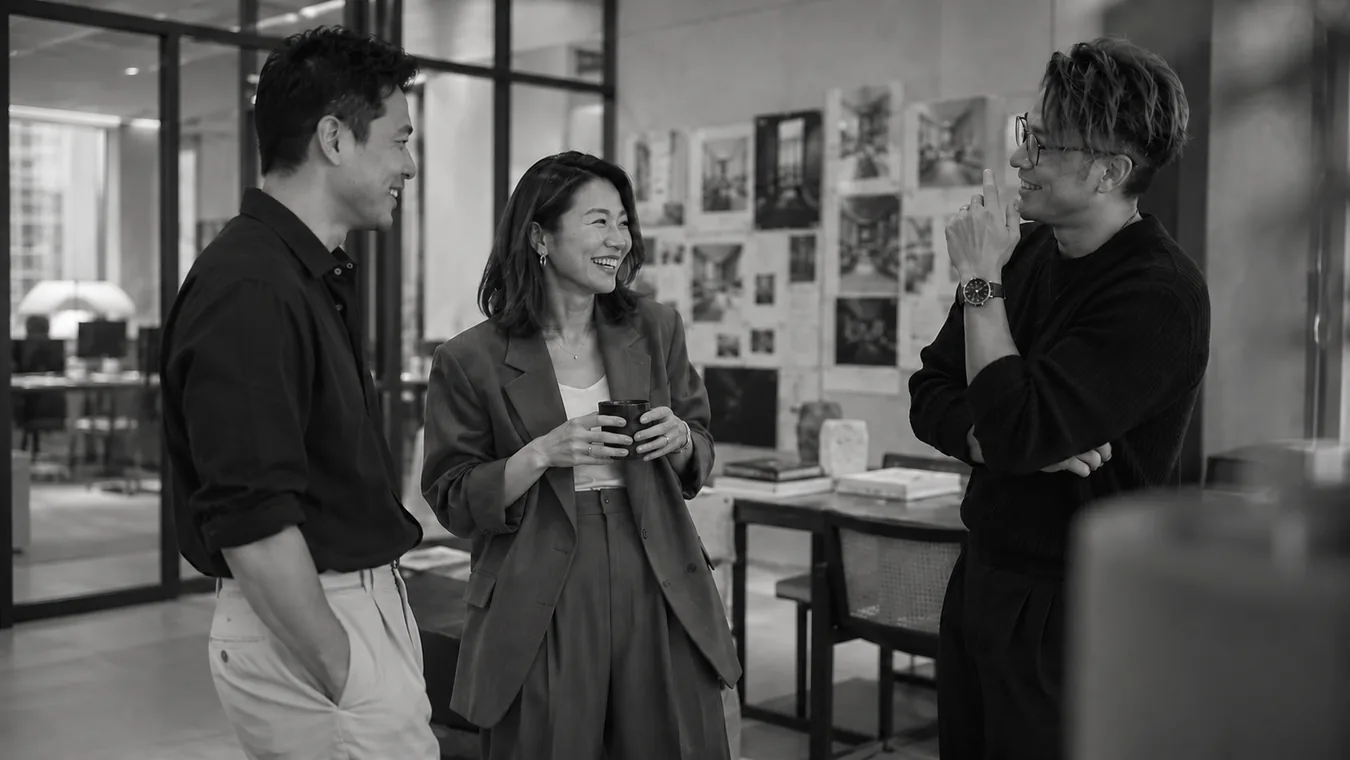
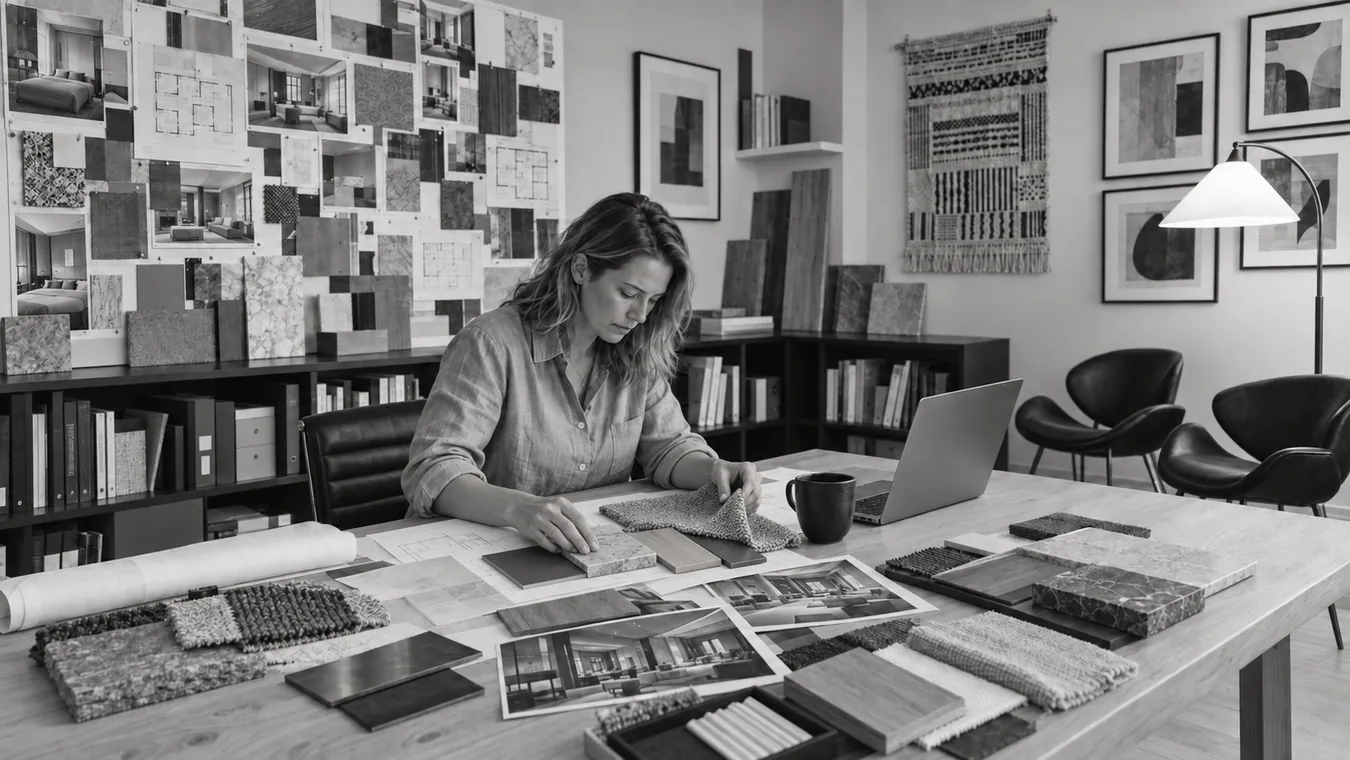
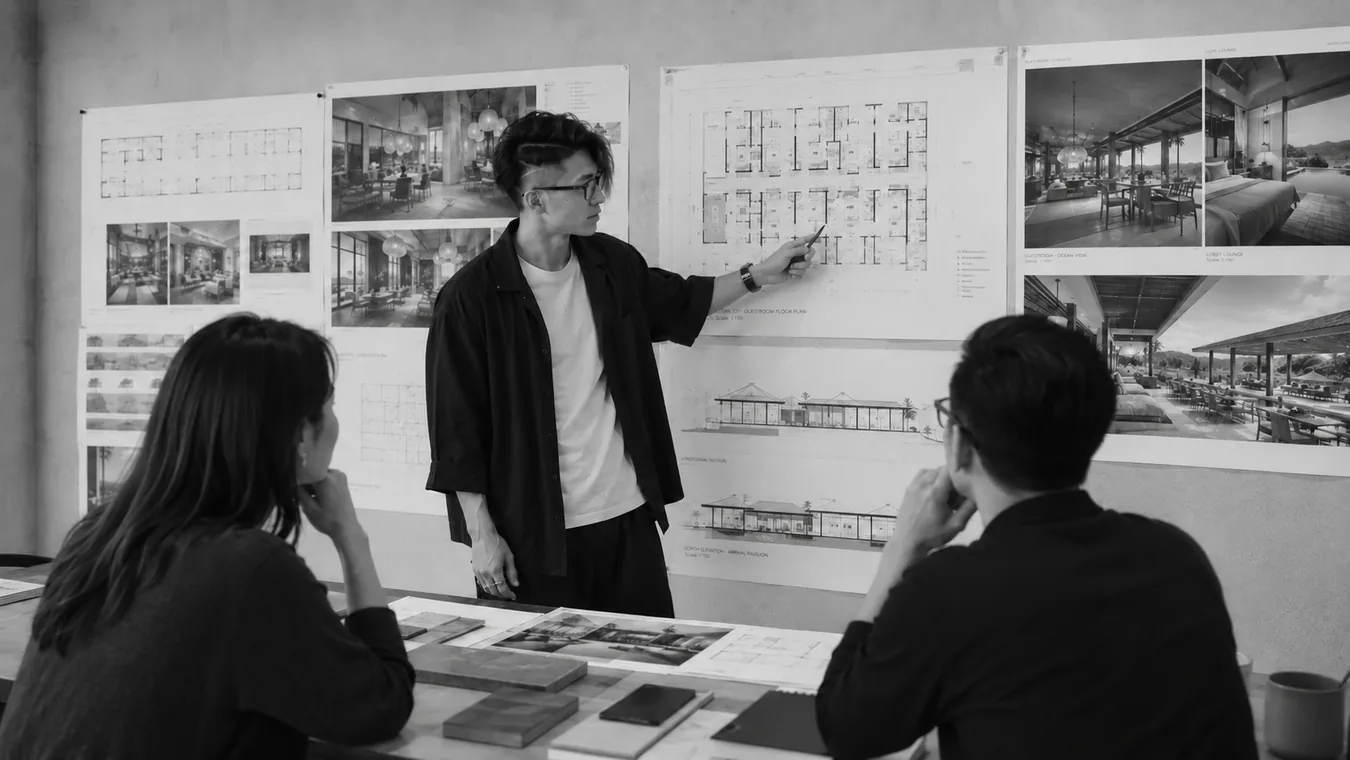
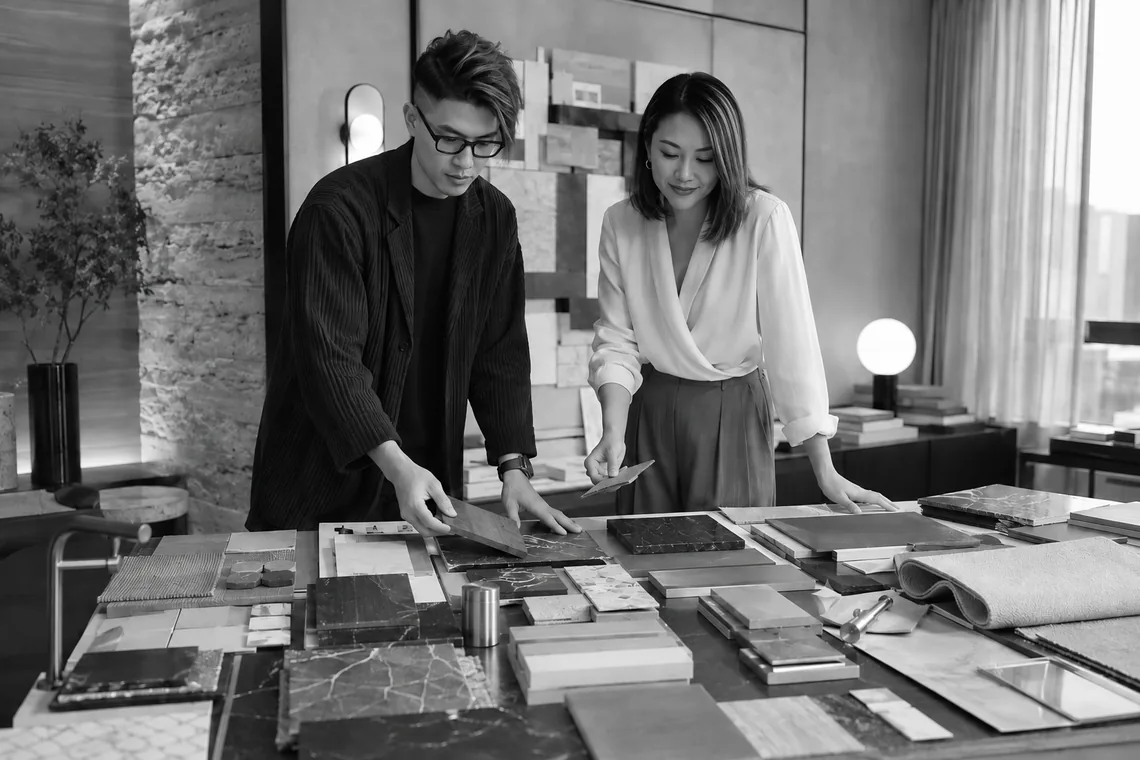
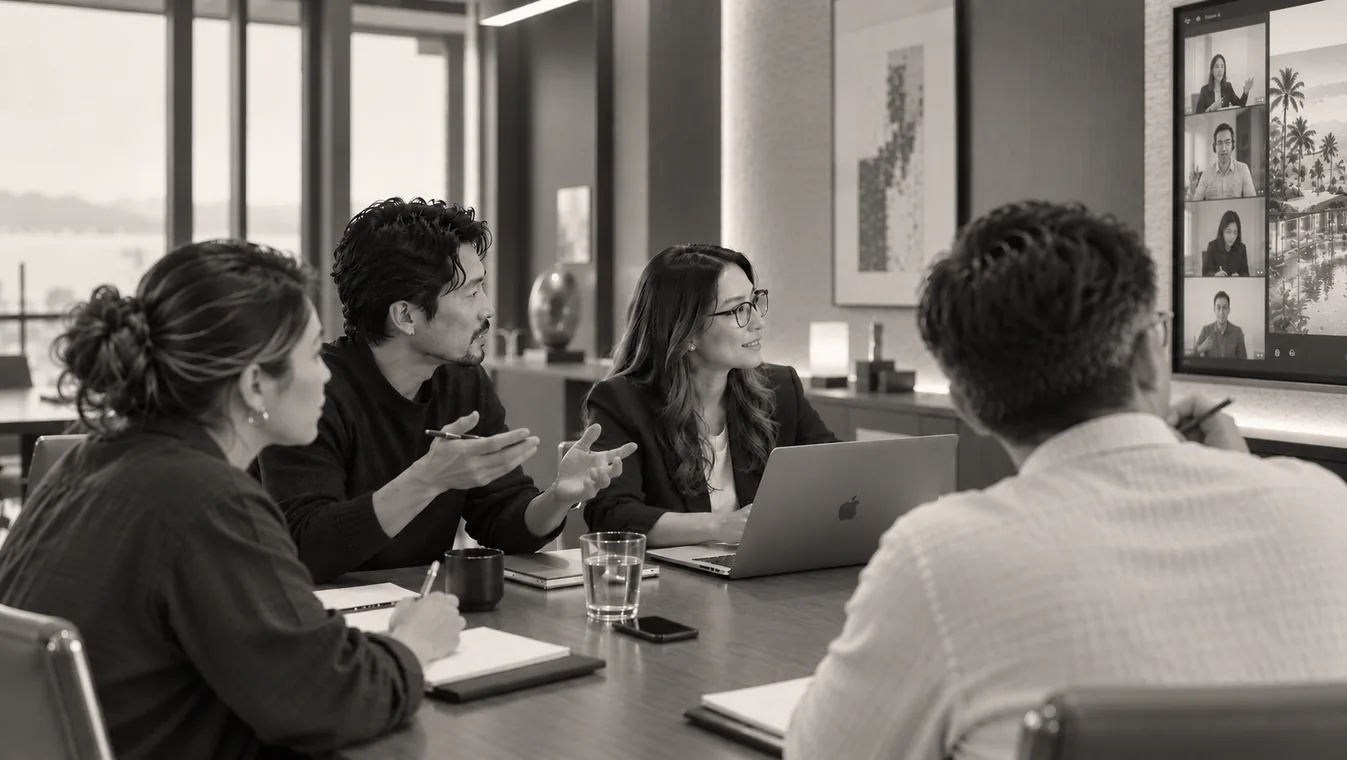
Allovit studio at workAllovit studio at workAllovit studio at workAllovit studio at workAllovit studio at workAllovit studio at workAllovit studio at workAllovit studio at workAllovit studio at work
Luxury Urban Hotel -
guestroom suite
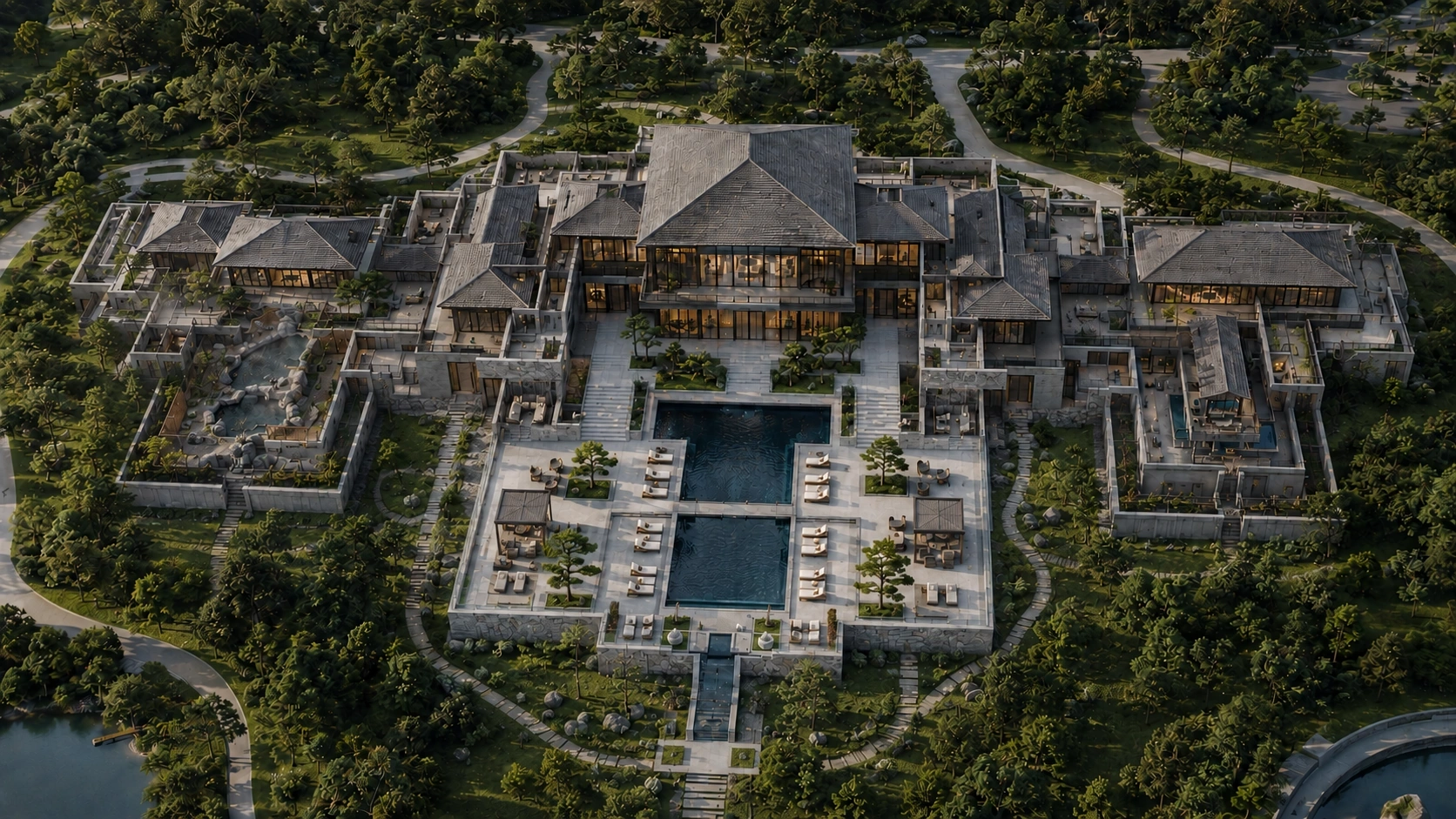
ultra luxury wellness Resort villa development
luxury hotel spa -
Wellness court
Urban lifestyle hotel -
guestroom
luxury urban Hotel -
spa treatment room passage
island resort development -
beachfront villa
wellness villa resort sanctuary -
private welcome lounge
Experiential resort -
Island Cliff Villa 
Destination Experiential Hotel -
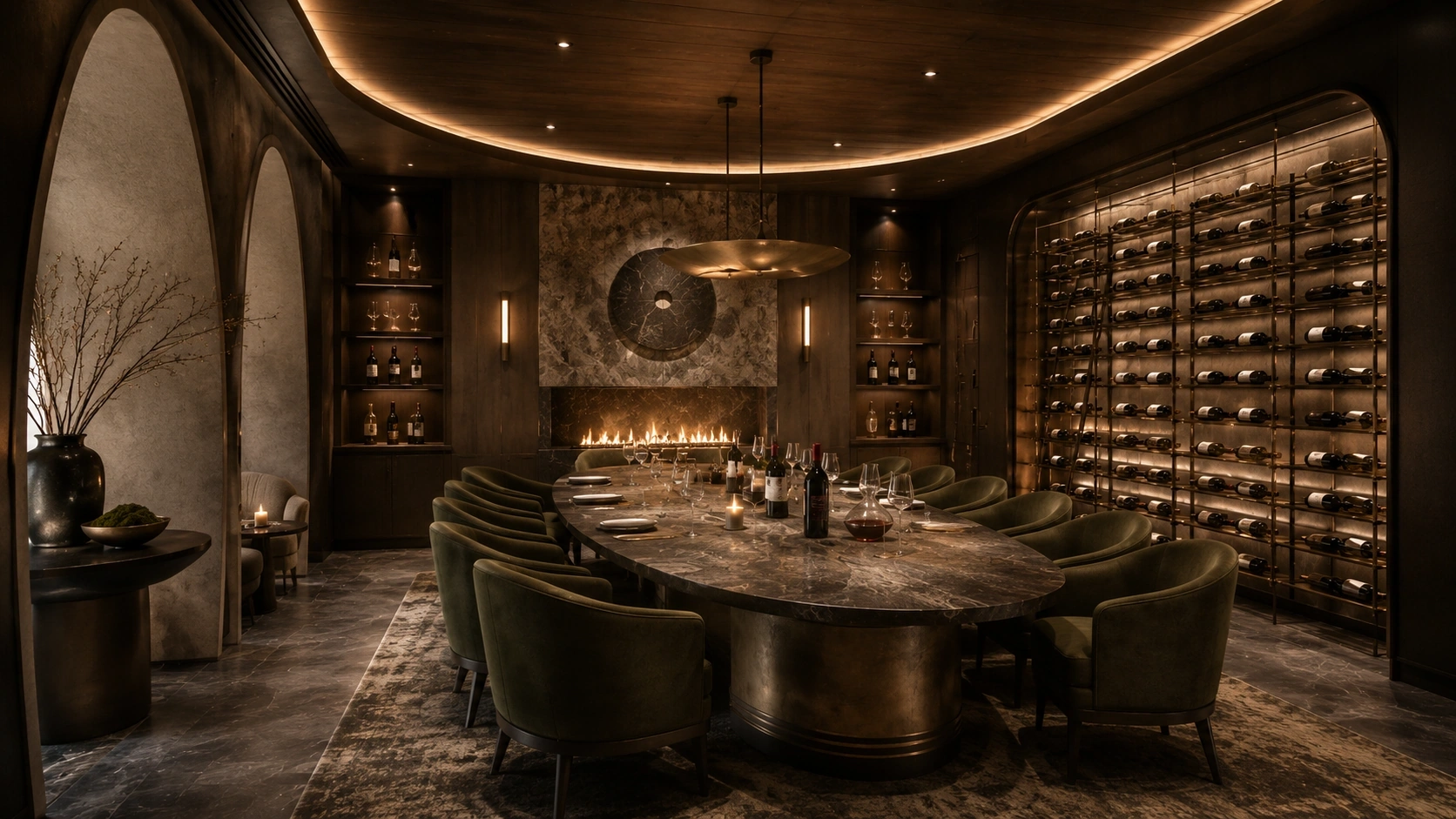
wine tasting room
Ultra Luxury Hotel & villa wellness sanctuary -
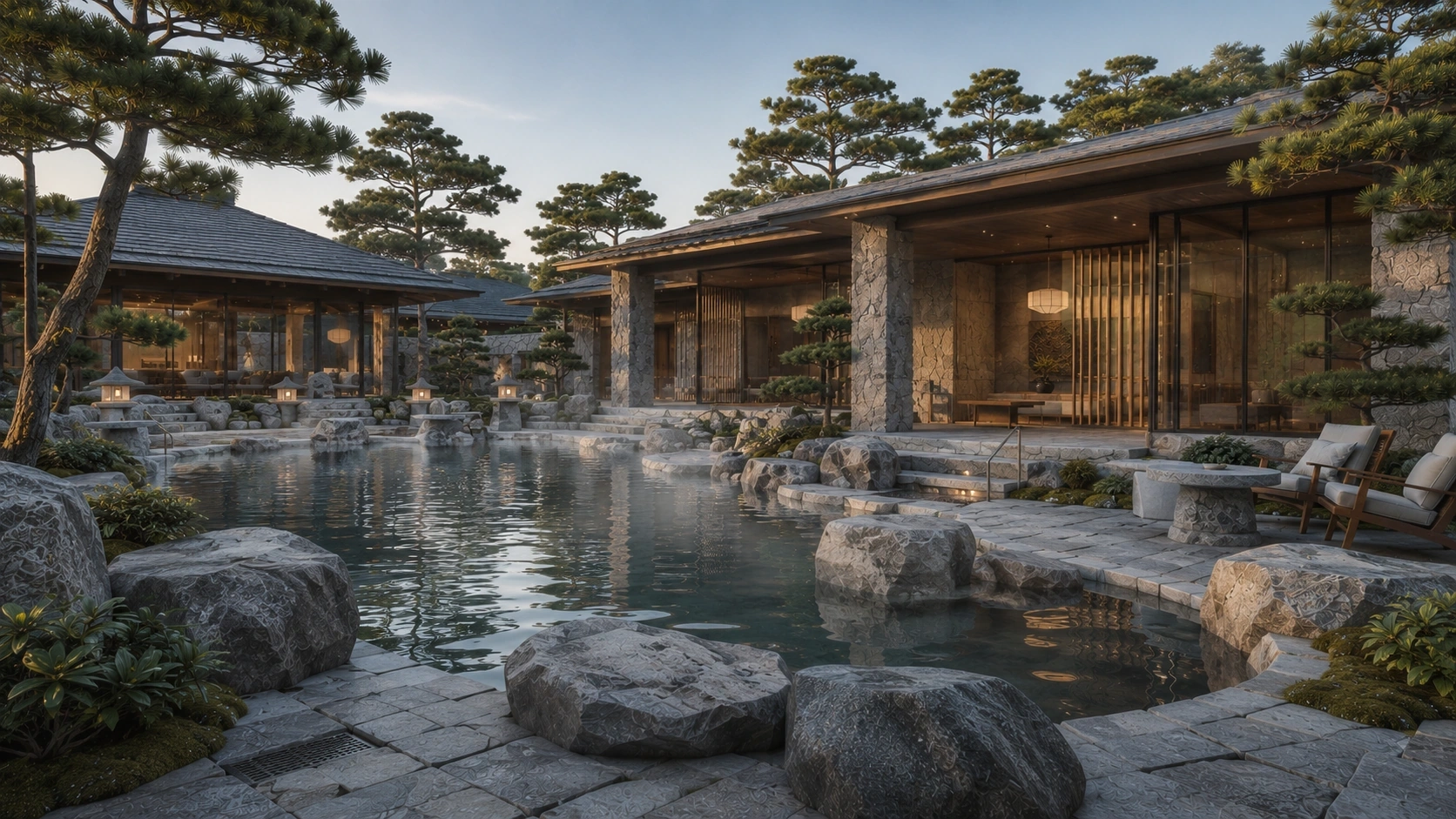
outdoor on-sen spa
Luxury destination Hotel -
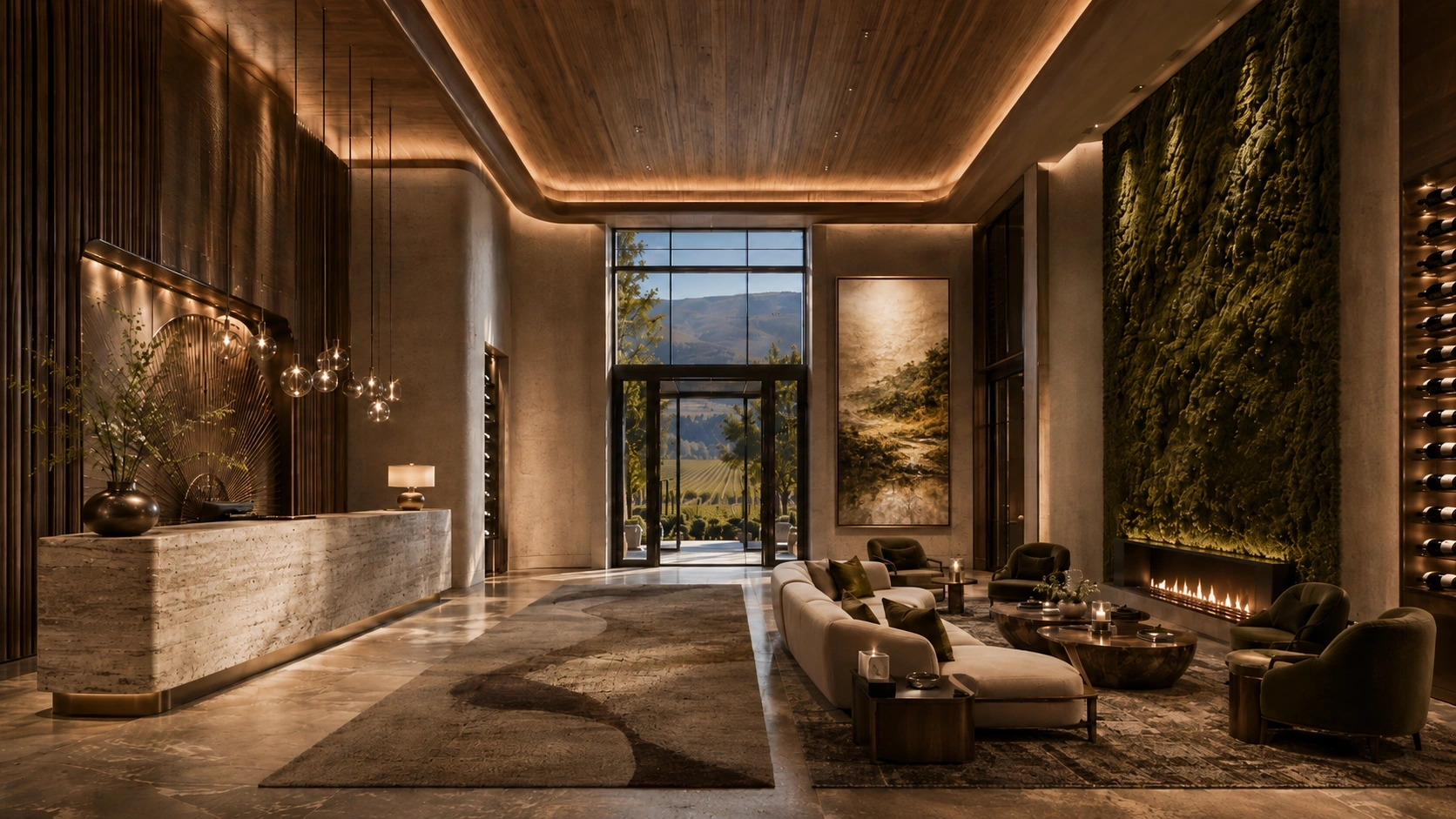
winery hotel lobby
themed F&B entertainment -
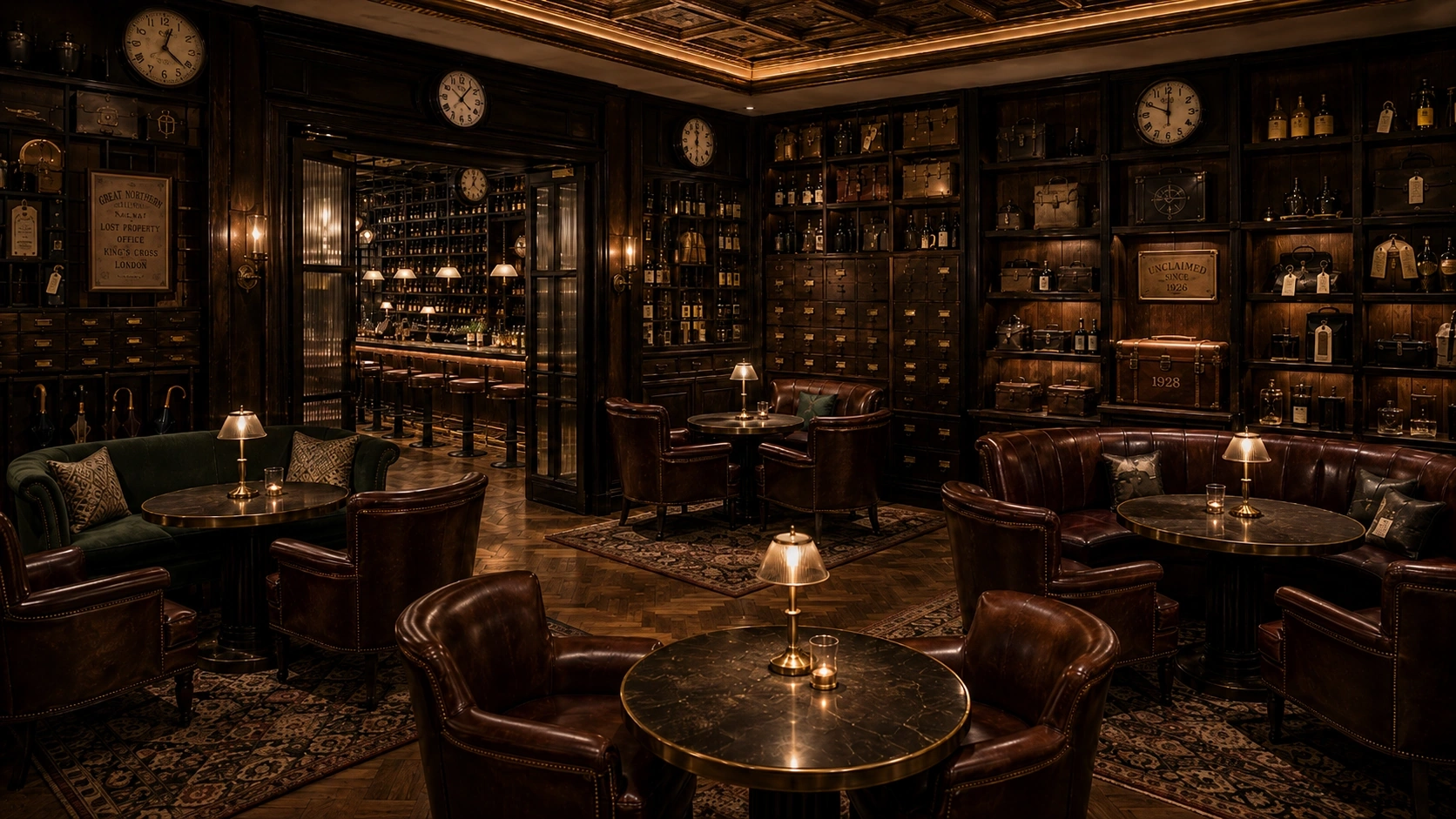
speakeasy
luxury destination Hotel -
Guestroom
wellness hotel -
spa pool & sauna lounge
eco retreat development -
typical guest tent
destination resort hotel -
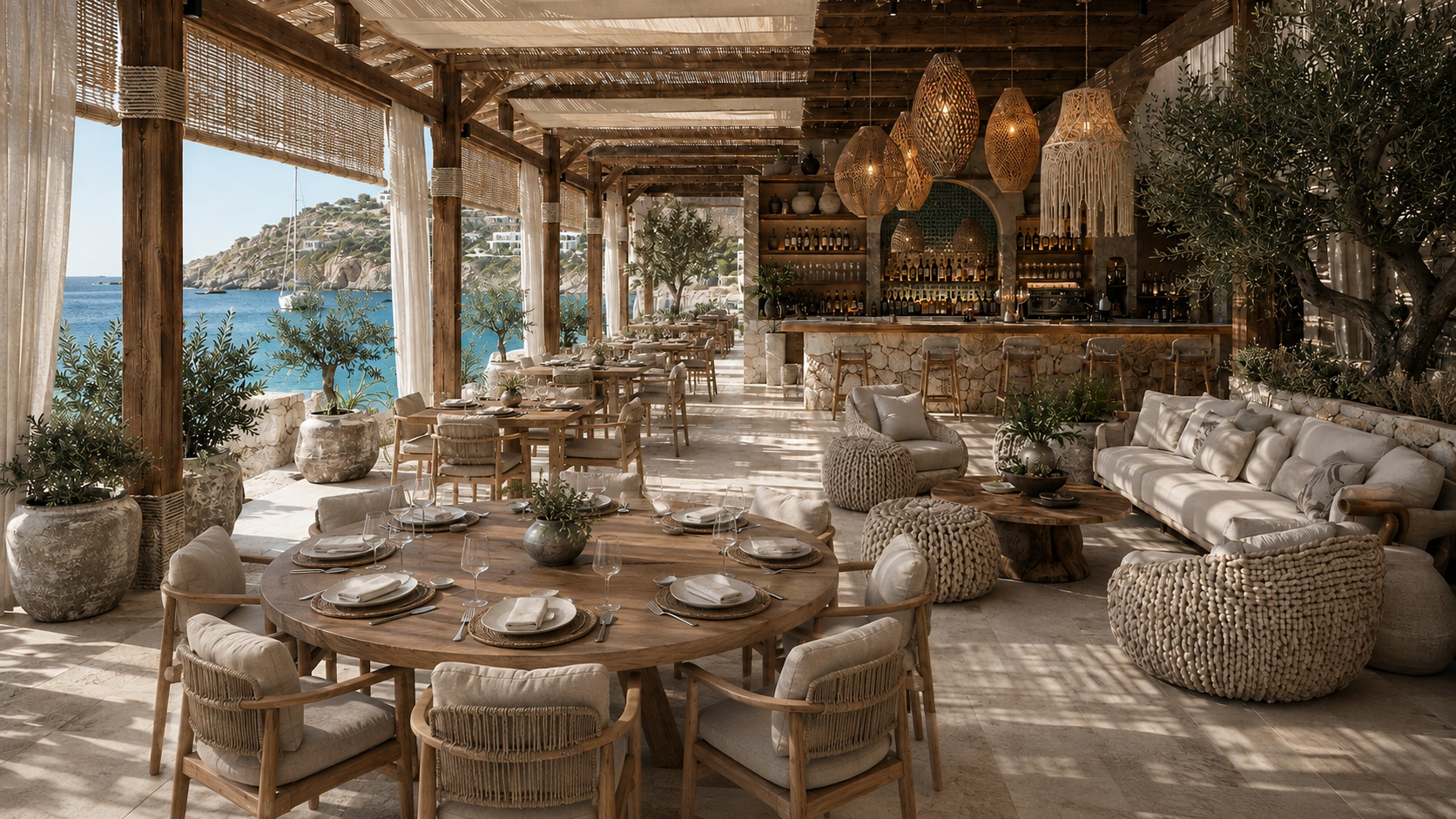
f&B
eco retreat development -
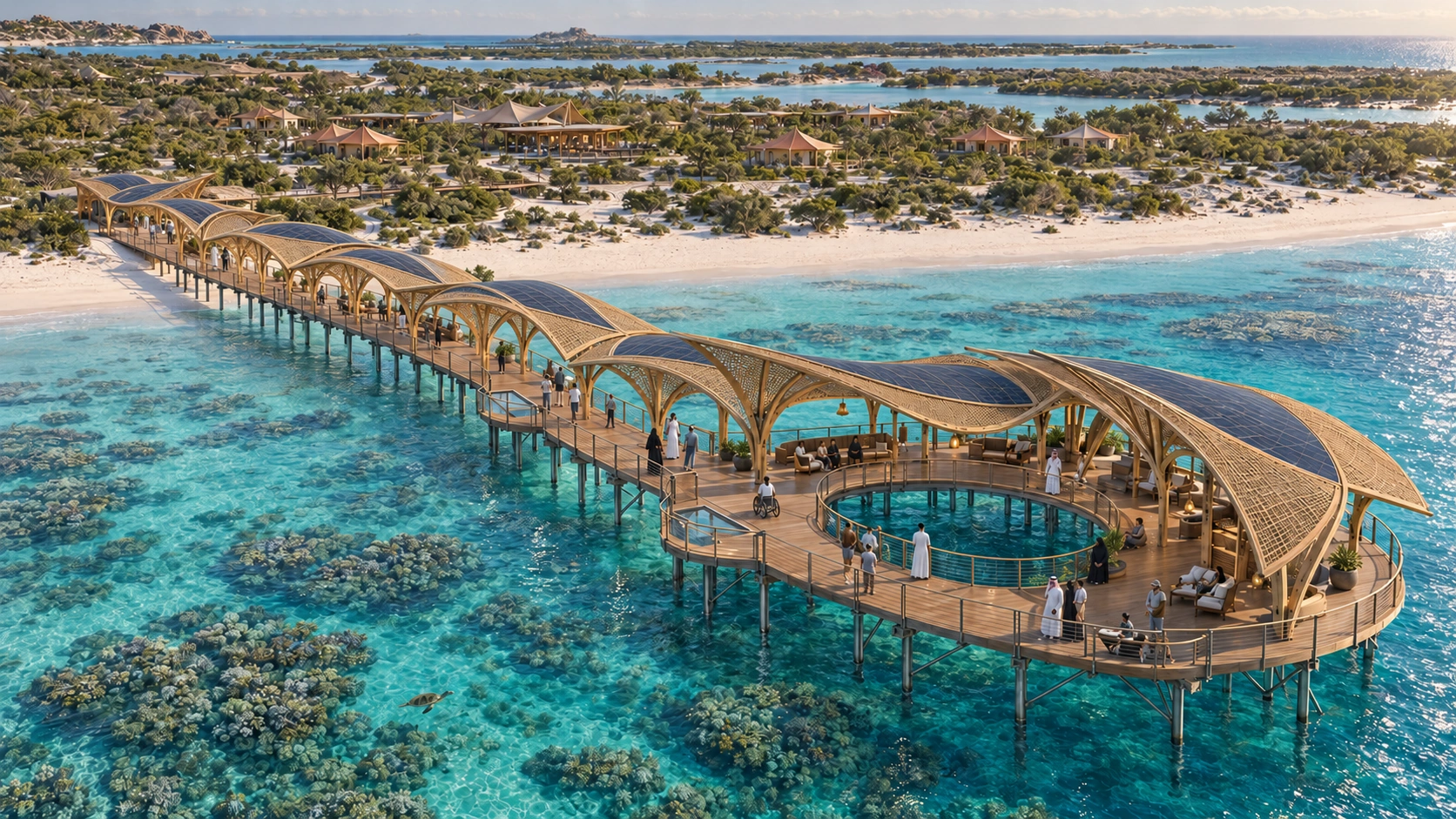
boardwalk, tide & reef viewing pavilion
destination reosrt hotel -
marina f&B
luxury wellness retreat -
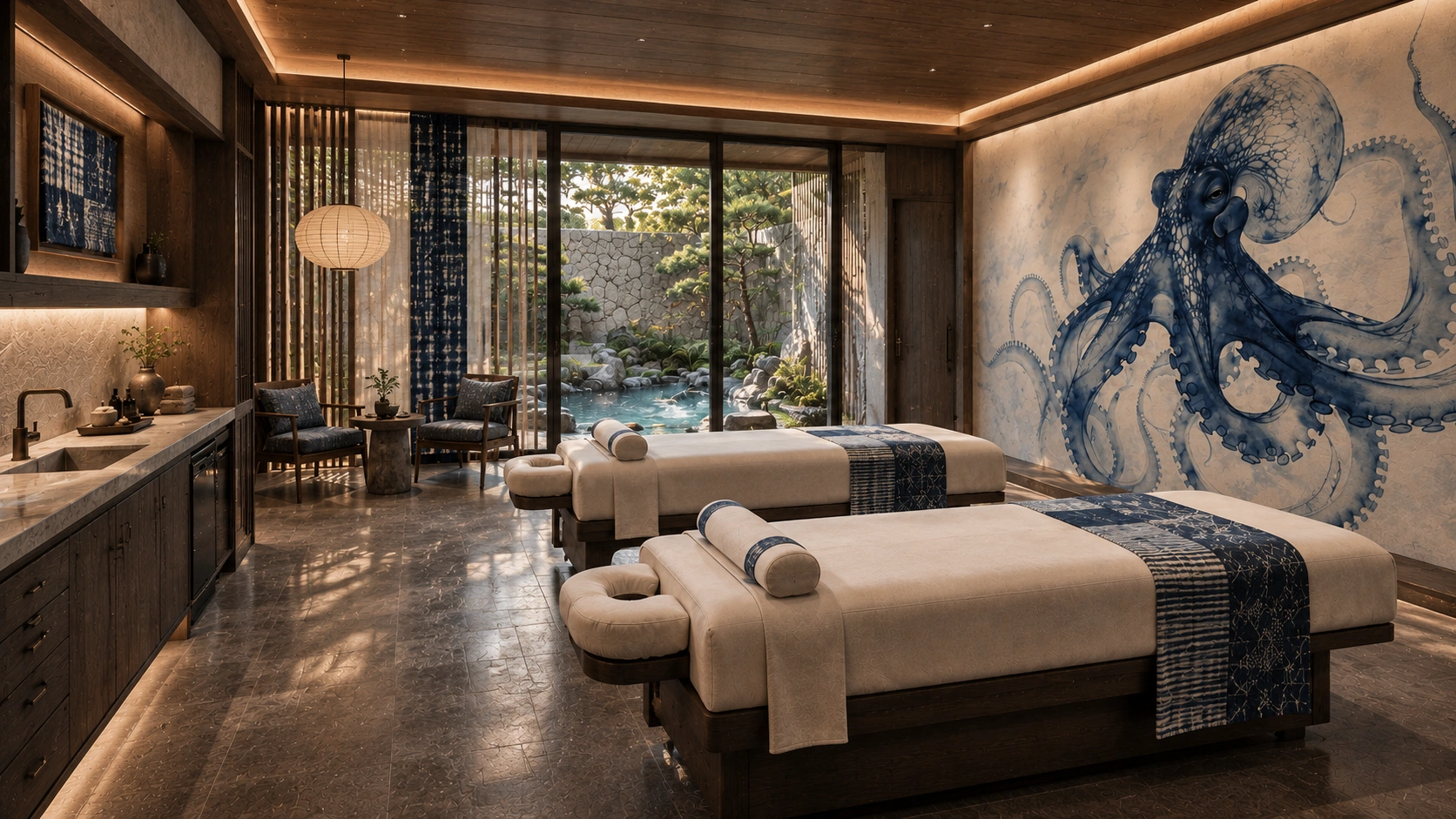
couple's massage room
destination resort hotel -
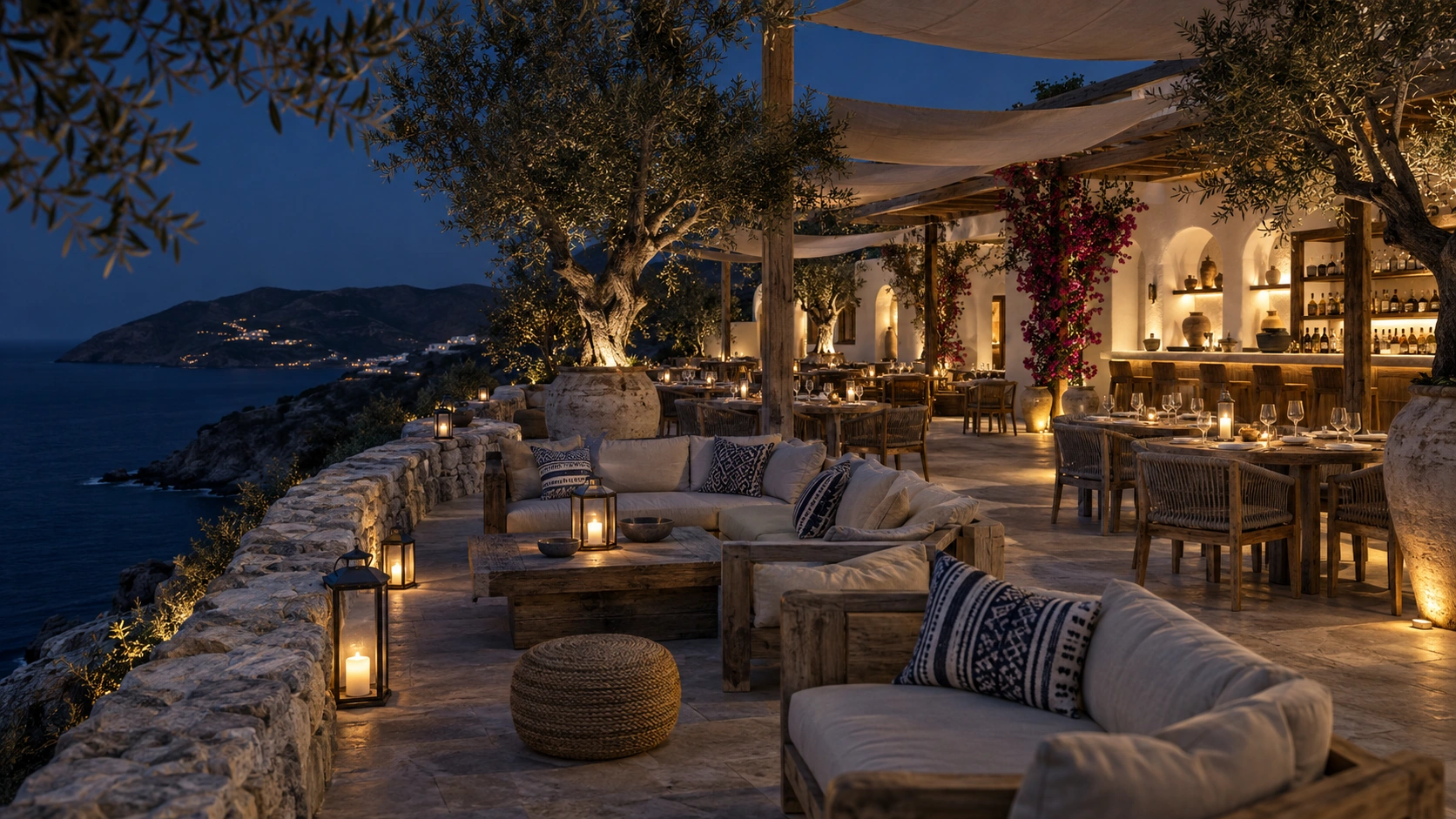
f&B
Journal

Notes from the studio.

This is where we say what the work has taught us — years of it, in this industry, on projects around the world. What works, what does not, and what is worth stopping for when someone gets it right. Written and spoken here, by us and the people we work alongside, for everyone with a hand in a hotel.

12 June 2025 · Point of view

Storytelling Spaces: The Power of Narrative in Hospitality Design
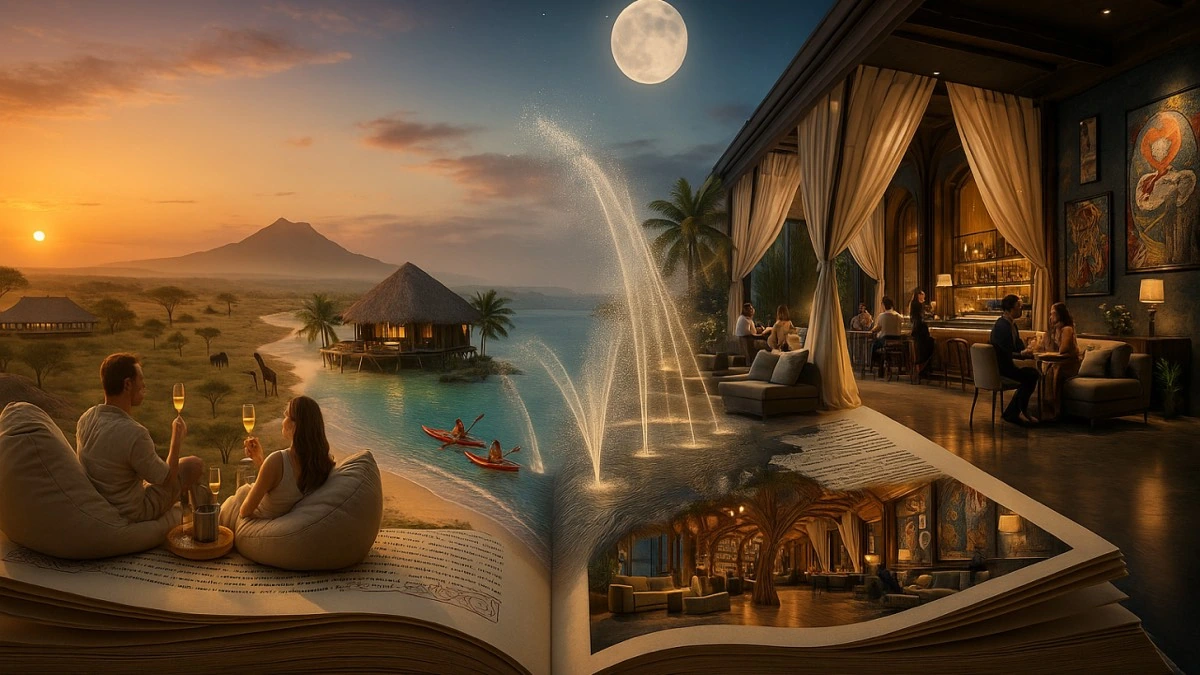
Storytelling Spaces — the power of narrative in hospitality design

Nobody checks out raving about the grout lines — people remember how they felt. Why narrative, not finishes, is hospitality's real strategy, and its measurable ROI.

I've spent almost three decades designing hotels across North America, the Middle East, the Asia and Africa. I've worn just about every hat imaginable—designer, developer, ownership, brands, operator, contractor, project manager, strategist, and sometimes, therapist (hotel projects can get very emotional!). This 360-degree view isn't common, but it's given me clarity with one goal: unforgettable hospitality isn't about materials, aesthetics, or tech alone.

It's about storytelling. Pure and simple.

Let's be honest, nobody checks out and says, “Wow, did you see the grout lines in that bathroom?” People remember how they felt. An emotional narrative is what sticks, making guests return (and rave).

Why do I keep hammering this home? Because narrative isn't just poetry; it's strategy—and yes, for accountants, it's measurable ROI. It's hospitality's secret sauce, genuinely elevating lives, enriching communities, and building businesses that last.

Story First. Always.

We often think hospitality design starts with visuals—floorplans, finishes, lighting. But the hotels people truly love don't start there. They start with a deceptively simple question: “How do we want guests to feel?”

This fuels everything:

  • Sense of Place: Local culture layered authentically—not another Eiffel Tower print with Map of Paris (or wherever hotel is located, and say you've integrated the locality), please.
  • Authentic Brand DNA: Each detail effortlessly reinforcing your brand's values.
  • Purpose-driven ESG: No “greenwashing”—just real impact that resonates deeply with conscious guests.

ESG Isn't a Buzzword; It's Meaningful Hospitality (With Heart)

Sustainability and ESG aren't checklists; they're ways to create authentic emotional connections. Today's guests don't just appreciate purposeful design—they insist on it.

Picture this:

  • Rooms filled with reclaimed materials, each with a “did-you-know” story for guests to share over cocktails.
  • Transparent operations proudly displaying real-time sustainability wins (“Look Mom, no energy waste!”).
  • Community partnerships empowering local artisans and people living in it—turning every souvenir into a meaningful memento and provide jobs and education to locals.

Designing hotels this way isn't just good karma—it's smart business and truly following the meaning of sustainability. Purpose-driven hotels command higher rates, loyalty, and longer stays while you create your brand culture and unique message to differentiate you from others.

Because hearts trump wallets every time.

Turning Stories Into Strategy (Yes, With ROI!)

Here's my go-to recipe for narrative-driven, ESG-savvy design that pays off:

  • Clarify the Emotional Narrative: Start with the feeling, not the fabric swatches.
  • Map the Guest's Journey: Like Spielberg directing a movie, plot out emotional peaks. (I always wanted to direct movies...so this is the way I approach it, and it works every time!)
  • Multisensory Magic: Curate scent, sound, and textures carefully—your guests' senses will thank you.
  • Integrate ESG Like You Mean It: Sustainability should be obvious and engaging—not buried in fine print.
  • Measure, Refine, Repeat: Emotion drives memory, memory drives loyalty, and loyalty drives revenue. It's a simple math!

Real-World Proof: Iconic Narratives in Action

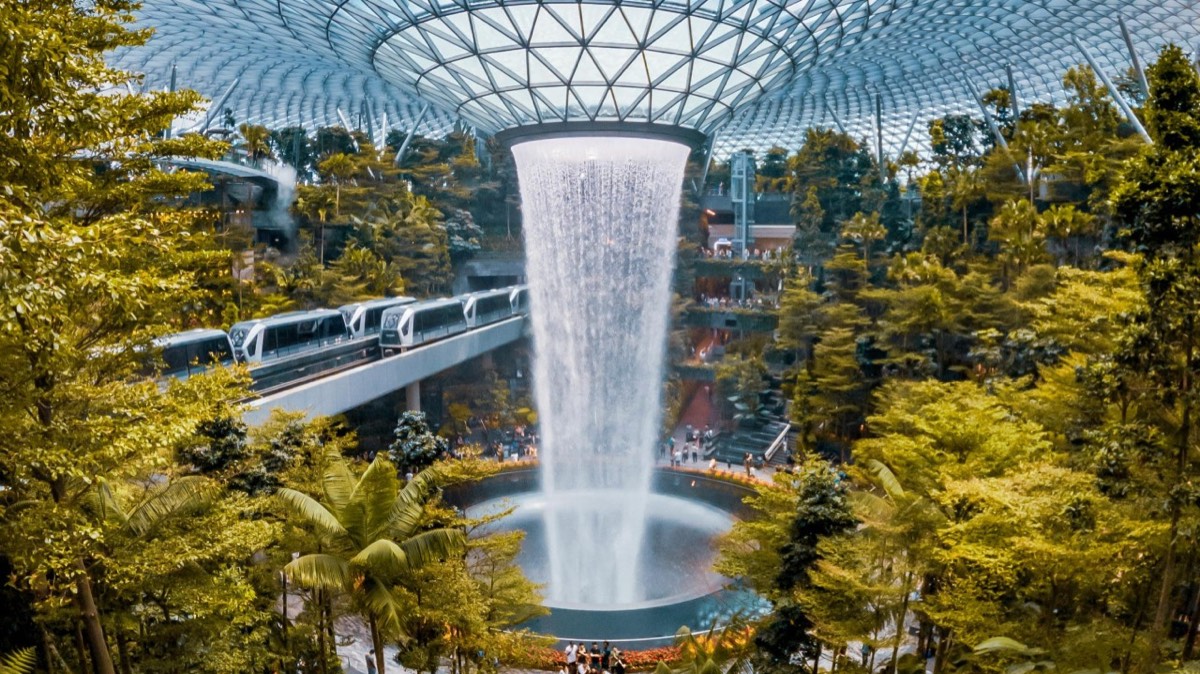
The Bellagio fountains weren't just Vegas entertainment—they became global storytelling legends. Dubai's spectacular fountains at Burj Khalifa and Singapore's Wings of Time—these are stories-turned-landmarks, magnetizing millions with sheer narrative power (and probably causing some serious water-envy).

Your hotel can—and should—do the same.

Why This Matters Right Now

On June 17th at HOTEC Design, I joined industry thought leaders to dive deeper into “Designing with Purpose: ESG's Role in Shaping Strategy, Operations & the Guest Experience.” It's not just another conference—it's a strategic call-to-action for the next decade.

But let's keep this interactive: tell me about a space you can't forget. What made it unforgettable? Your experiences fuel our creativity—and hospitality thrives when we design from the heart, with humor, purpose, and lasting impact.

Let's shape the future of hospitality together.
26 May 2025 · Point of view

The Restaurant as a Masterpiece: Designing Dining That Wins Guests and Grows Revenue

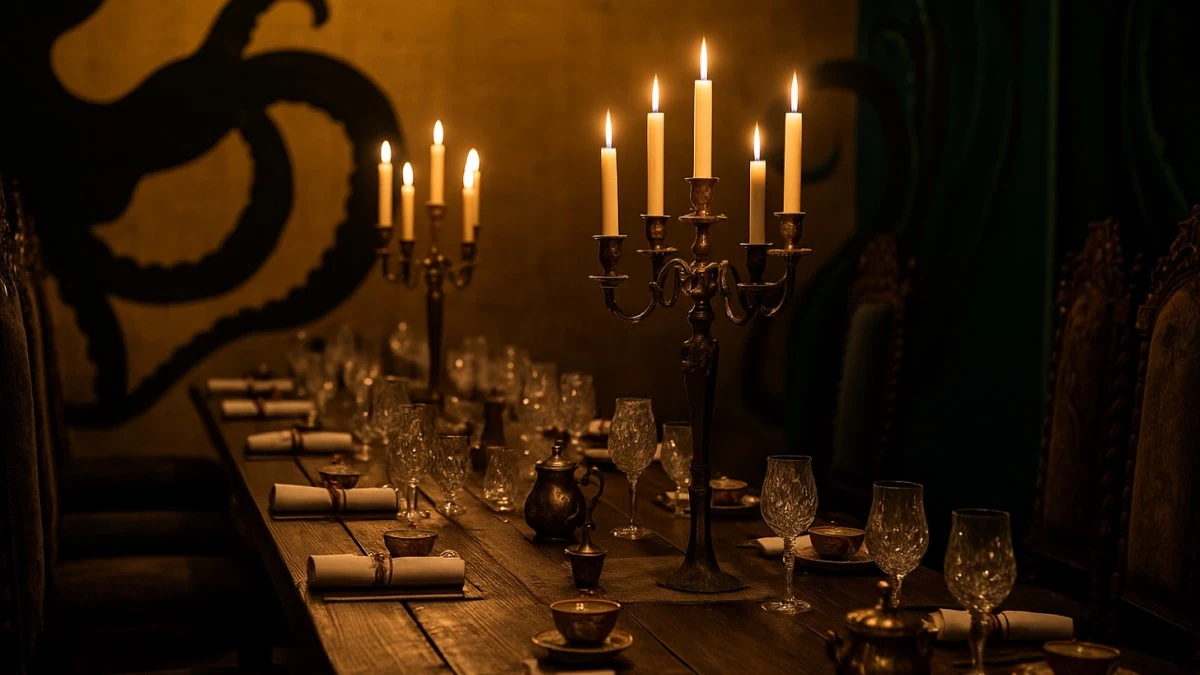
20,000 Leagues Under the Sea fine dining, Lost Spirits Distillery, Las Vegas (AREA15)

Most hotel restaurants are forgettable — designed to check a box, not make a statement. What changes when we craft them as emotional, strategic, revenue-driving destinations.

By Shannon Kim — Hospitality Development Strategist & Designer

Let's be honest — most hotel restaurants are forgettable. Designed to check a box, not make a statement. Beautiful in renders. Underwhelming in real life. They chase trends, ignore operations, and miss the moment entirely. Sometimes, they're less about the guest… and more about the designer's ego.

But what if we stopped designing restaurants as amenities...and started crafting them as emotional, strategic, award-worthy destinations?

Because here's the truth: in today's “experience-driven” economy, your restaurant is no longer just a place to eat. It's a brand amplifier. A local magnet. A reason to return — or never book again.

Guests don't crave just good food anymore. They want immersion. Emotion. A story they can taste. And when done right, a restaurant becomes the soul of a hotel — and one of its smartest revenue engines.

Why Extraordinary F&B Design Matters More Than Ever

Through my work designing, developing, and advising on hospitality projects across North America, the Middle East, and beyond, I've seen one consistent truth: F&B isn't a side act — it's the headliner.

The restaurant defines the mood, the memory, and the mouthfeel of the hotel experience. Locals will visit it weekly without ever checking in. Guests will decide to return based on that one perfect dinner or unforgettable brunch. In a market this competitive, F&B is no longer optional. It's foundational.

The Craft Behind the Magic

Award-worthy restaurants don't happen by accident. They're the result of hundreds of invisible decisions:

  • How the light lands on the table at 6:00pm
  • How guests transition from day to night without realizing the space has changed
  • How the pass (final staging point before food reaches the guest) is sized to maintain plating speed without compromising visual drama
  • How every square foot generates revenue across time blocks and service types

Design isn't just decoration. It's choreography. It's strategy. It's business intelligence disguised as beauty.

Food is Emotion. Food Needs a Story.

One of the most transformational dining experiences I've had was 20,000 Leagues Under the Sea in Las Vegas — a concept that blurred the line between cuisine, performance, and sensory storytelling.

It reminded me of something I've come to believe through years of extensive traveling, cooking, tasting, and studying the way food lives in culture: the most unforgettable meals aren't just eaten — they're felt.

And the most memorable dining environments are the ones where every element — from scent and light to texture and pacing — tells a story. Just like the most meaningful spaces, the most impactful food experiences are layered, symbolic, and immersive.

It's a perspective that shaped me — not just through years in hospitality design and development, but through a lifelong intimacy with the kitchen: a rhythm built from cooking, sharing, hosting, and exploring cuisines from Asia to Africa.

It's in that overlap — between space and story, service and soul — that restaurants stop being “venues”… and start becoming destinations.

Precision + Passion = Performance

Here's the part many miss: passion alone doesn't make restaurants profitable. You need precision:

  • Back-of-house layouts that reduce labor without compromising service
  • Sightlines that drive spend-per-seat
  • Lighting that shifts mood (and table turns)
  • Acoustics that shape energy and intimacy simultaneously

Every decision in restaurant design has financial consequences. And when done right, every detail becomes part of your revenue strategy.

Designing for Dynamic Revenue

Award-worthy restaurant spaces today are:

  • Flexible: from breakfast café to coworking hub to nighttime lounge
  • Locally relevant: rooted in community and culinary identity
  • Effortlessly operational: allowing staff to flow as seamlessly as guests
  • Visually iconic: born to be photographed — and remembered

Design should perform. Not just impress.

Ultimately, a restaurant shouldn't feel like it could be anywhere. It should feel like it could only exist there — in that city, in that hotel, in that exact moment.

Because the restaurants that win hearts — also win revenue.

5 May 2025 · Point of view

What the Hotel of the Future Needs Now

What the hotel of the future needs now

Innovation without soul is just a gimmick. Technology is racing ahead, but the guest journey hasn't shifted much. Five things the hotel of the future actually needs now.

Innovation Without Soul Is Just a Gimmick

These days, I get asked a lot about AI's impact on hospitality design and the future of hotels.

AI is everywhere—transforming how we work, live, communicate, and consume. The pace of change is staggering. Yet when I walk into most hotels, they still are stuck in somewhere in time and never seemed to evolve. While some hotel does it very well, but most of the hotels, it is rather even simplified and lesser (especially design) of it than hotels in the past.

Technology is evolving at lightning speed, but the hotel guest journey? It hasn't shifted much. The way we build, design, and operate still follows decades-old models. Yes, we could also argue that what's wrong with the decade old models?

The hospitality of things are all about human connection and not all has to change to elevate our experience in hospitality space. The charm of century old pure hospitality is something coming from the heart. But many aspects of the guest experience could be dramatically elevated with the tools we now have.

And the integration of AI? Mostly absent or surface-level. The reality is, our industry hasn't evolved at the same pace as innovation. And that's not just a missed opportunity—it's a strategic gap.

Because the future of hospitality isn't just about new technology. It's about creating experiences that are more empathetic, sustainable, intuitive, and emotionally intelligent.

Here's what I believe the hotel of the future needs now — they are more about strengthening fundamentals while adapting sustainability in design all the way to the operations:

1. Empathetic Design, Not Just Efficient Design

Today's guests don't want gimmicks. They crave spaces that anticipate their needs—environments that restore energy, reduce stress, and connect with human rhythms. Think:

  • Lighting that adjusts with the sun
  • Acoustics that offer moments of quiet retreat
  • Layouts that flow with natural behavior

Design must evolve from “looks good” to feels right.

2. Net-Zero as the Baseline, Not a Bonus

Sustainability isn't a checkbox—it's a foundation. Tomorrow's hotels will be judged not just by their aesthetics or amenities, but by their impact. That means:

  • Carbon-neutral construction
  • Passive energy systems
  • Local and regenerative materials
  • Wellness-focused, resource-conscious operations

Net-zero isn't a buzzword. It's our new baseline.

3. Tech that Serves, Not Showcases

In the best hotels of the future, you won't see AI—but you'll feel it. It will be working behind the scenes to:

  • Anticipate preferences
  • Adjust environments in real time
  • Eliminate check-in friction
  • Empower staff with smarter systems

The most meaningful technology doesn't try to impress—it quietly enhances.

4. Narrative-Driven Experiences

Design is now a storytelling tool. The most compelling hotels are no longer themed—they're thematic. They build layers of meaning through space, material, culture, and memory.

Guests want to feel connected to a place. They want to be surprised, inspired, and immersed. From curated art and local craftsmanship to symbolic materials and immersive lighting—the design language of tomorrow is poetic and purposeful.

5. Design That Performs: Soul + Strategy + Revenue

Great design must do more than just look good. It should earn its place—operationally, emotionally, and financially.

  • A guestroom that supports deep rest creates loyalty.
  • An adaptable lounge drives all-day revenue.
  • A bar that becomes a city icon becomes a brand anchor.

Beauty without ROI is a missed opportunity. The best-designed hotels perform on every level.

In my work across North America, the Middle East, and beyond, I'm seeing a shift: from decorative design to intentional experience design. From tech obsession to human-centered technology. From short-term thinking to sustainable legacies.

This isn't the future of hospitality—it's what we must create right now.

The Allovit Manifesto

Lost in Translation

Why the hospitality industry's greatest challenge was never creativity.

A few years ago, I sat down to dinner with eleven strangers. Sixteen courses, each drawn from a chapter of Jules Verne’s Twenty Thousand Leagues Under the Sea. The scent in the room, the soundscape, the vessels each course arrived in, even the pace of the evening — nothing was left to chance. Dinner had stopped being a sequence of courses and become a story told through food. Reservations had sold out months before the doors opened. There was no global brand behind it, no loyalty programme, no campaign of any kind. People travelled simply because they wanted to live inside a story.

One question followed me out into the street that night and has never quite left me: why does an independent chef understand narrative more instinctively than much of the hotel industry?

It is an uncomfortable question, because hospitality has never had more resources than it does today — better technology, more sophisticated operators, extraordinary designers, and tools that measure almost everything that matters commercially. And yet we continue to produce hotels that are harder and harder to tell apart. Beautifully executed. Professionally managed. And almost entirely forgotten the moment the guest goes home.

For most of my career, I assumed the answer was luxury, or design. It is neither. Early on, I believed exceptional design naturally produced exceptional hospitality. Over time I realised it does not — it produces better buildings. Whether a building ever becomes a memorable experience depends on something else entirely.

I have had the unusual privilege of working on every side of this business — as designer, developer, owner, operator, contractor, project manager, investor and strategist. Each discipline is brilliant at solving its own problems. What almost no one is responsible for is protecting the project as a whole. Between the first conversation and opening day, the original idea is handed from one specialist to the next, and every translation is entirely reasonable on its own terms. Collectively, they produce a hotel that no longer resembles the ambition that inspired it.

Our greatest challenge was never creativity. It was orchestration.

That is what I mean by Lost in Translation. These are not failures of talent — they are failures of authorship. And it changed the way I understand our profession. For most of the industry, storytelling is treated as a creative exercise. I have come to believe it is, first and foremost, a strategic one. A real story does not describe a design; it is the reasoning behind every decision that follows. It exists before architecture, before interiors, before branding. It decides where investment creates value and where it merely adds cost. Remove a feature, change a material, alter the operation — if it does not touch the story, then the story was never driving the project. Today, almost every hotel claims to have a story. Far fewer can demonstrate one.

The cost of losing that story is real, even when it never appears on a spreadsheet. I once spent three days in a beautiful hotel lobby trying to understand why nobody stayed in it. It had everything — the trees, the furniture, a photograph in every corner — and it worked as a corridor. We have become remarkably good at calculating the cost of creating an experience, and remarkably poor at calculating the cost of losing one. Value engineering assumes value can be measured in cost. But what happens when the thing removed is not an object but an experience — the artwork that would have started a conversation, the corner people would have chosen for every sunset? Emotion is not what happens after the business decisions are made. In hospitality, emotion is often the business model itself. People do not cross the world for efficiency. They travel because they hope to feel something they cannot find anywhere else.

I have learned this most often not from the grandest projects, but from the simplest. On one, set against an extraordinary landscape, the temptation was to answer the view with ambitious architecture. Instead, the thing guests remembered was a quiet place to sit at the very edge of it, a glass of wine, a reason to slow down. They stayed for hours. Nobody wanted to leave. It cost almost nothing. The experience was priceless. Memorable places rarely require larger budgets. They require greater clarity.

The more I saw this, the more convinced I became that our industry needs a role that barely exists today. Not another designer. Not another operator. Not another project manager. Someone responsible for protecting the narrative across every stage of development — who understands design well enough to challenge designers, operations well enough to question operators, finance well enough to speak with investors, construction well enough to anticipate what is coming, and branding well enough to know when consistency is strengthening a project or quietly erasing it. In most industries this is simply systems thinking. In hospitality, it remains rare.

That is why I built Allovit.

Not because the world needs another design practice — it has many exceptional ones. Not because it needs another development consultancy — there are countless firms producing feasibility studies and financial models. I wanted to build something that lives in the space between those disciplines: a studio that begins before design starts and stays long after the drawings are done. A company whose first question is not What should this hotel look like? but Why should anyone care that it exists? When that question is answered clearly, everything else — architecture, interiors, brand, operations, commercial strategy — falls into coherence. Each choice reinforces the others instead of competing with them.

That is the whole of it. When an idea passes through dozens of hands and thousands of decisions with no one accountable for its integrity, the story dilutes, the experience turns generic, and the hotel becomes interchangeable. Held whole, it becomes something no one can copy — because it is built on a point of view rather than a trend.

Hospitality is one of the few industries with the privilege of becoming part of someone’s life. People celebrate anniversaries in our hotels, begin marriages in them, recover in them, say goodbye to those they love in them. For a brief while, strangers entrust us with a chapter of their lives. That deserves more than efficient buildings and beautiful interiors. It deserves intention.

As artificial intelligence makes beautiful spaces easier to produce, beauty will become the expectation, not the advantage. The advantage will belong to places that could exist nowhere else. Places with authorship. Places with conviction. The future of hospitality will not belong to the hotels that look different — it will belong to the ones that make people feel different. Because long after a guest has forgotten the marble, the furniture and the room number, they will remember how a place made them feel.

And that has always been the real work of hospitality.

What we hold to be true

  1. I

    A hotel is a story before it is a building. We write the story first — everything that follows answers to it.

  2. II

    Guests forget the marble, the furniture, the room number. They remember how a place made them feel. We design for that feeling — it is the only thing that outlasts the stay.

  3. III

    A great experience is rarely the most expensive one; it is the clearest. We spend where feeling is created, and nowhere it is not.

  4. IV

    A vision passes through many hands on its way to becoming real. We are the one that holds it whole — from the first idea to the day the doors open.

  5. V

    As beauty becomes easy to produce, it stops being an advantage. What cannot be copied is a place built on a point of view. We make places that make people feel different, not just look different.

The development process must change in order to get it right.

Everyone is trying to protect their own profession, it is not in their interest to know what others are doing, 

because they will have to change what they do dramatically

Development needs Orchestration not another PM.

From Lost in Translation, the Allovit Manifesto

Think about how to keep the story intact rather than what material you want to keep. 
Concept narrative is not Story, it is collection of words, NOT story.

From Lost in Translation, the Allovit Manifesto

Allovit · Toronto & Shenzhen

Start a conversation
Start a project

Tell us the hotel
you can't stop imagining.

Developers & owners — bring us a site, a budget range, or just a feeling. We'll bring the numbers and the story.

story@allovit.co
+1.647.408.4332Text

This opens your own email app with the message ready to send — nothing is stored on this site. You can also write to story@allovit.co directly.

Allovit Objects

Take the story home.

Coming Spring 2027

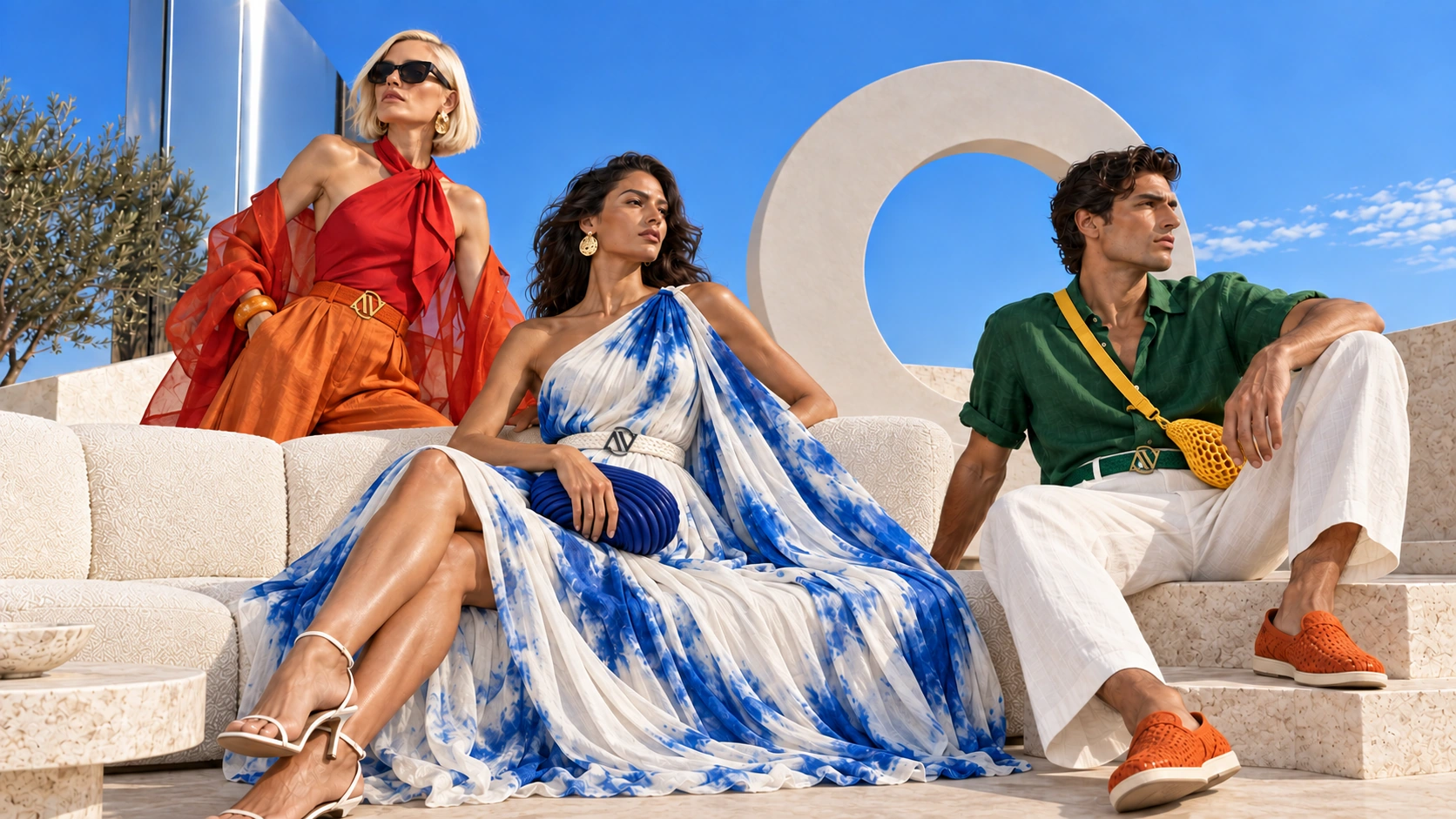
Before we design a hotel we imagine the person who will arrive at it — how they travel, what they wear to dinner, what they carry down to the water. We did not curate this collection. We designed it — every piece drawn alongside the property it belongs to, in its own light and climate, for the guests who would be standing in it. 3D-printed bags and shoes, a monogram placed to be found rather than shown, materials chosen the way we choose them for a room. You would buy these because you want them, not because of where you first saw them — and still be reaching for them years later. From spring 2027 they are offered directly to the people who want to live with them, at prices set for a person rather than a project.

Apparel

Cut for the places we design: the heat of an afternoon, the cool of a terrace after dark, the walk back from dinner.

Accessories

Bags and shoes printed in three dimensions, belts and eyewear drawn to go with them — the pieces that finish what you are wearing.

Furnishings

Furniture, lighting and objects first drawn for the rooms we designed — now available for yours, at home or in a property of your own.

First release

Spring 2027

The collection opens in spring 2027. Write to story@allovit.co and we will tell you the day it does.

Client Portal

Your project,
always open.

Drawings, presentations and documents shared privately with your team.

That access code wasn't recognised.

Access is issued per project. If you are working with us and need a code, please contact your project designer.

John Dang

Design principal
Design settings
Edit mode off